••
Okada Riders Association of Ghana Advocates for Rwanda-Style Legalization to Professionalize Motorcycle Transport
•2 min read•1 source
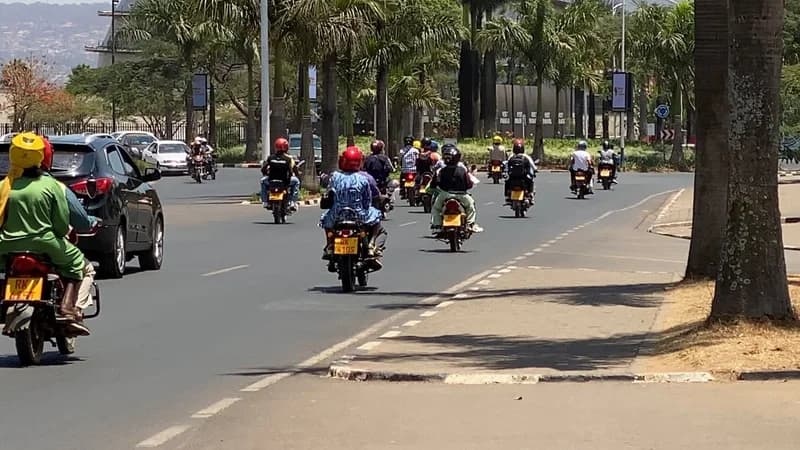
The debate over the legalization of commercial motorcycle services, popularly known as "Okada," has gained fresh momentum in Ghana as stakeholders highlight the success of Rwanda’s transport model. While Ghana continues to maintain a legal prohibition on the practice, Rwanda has successfully integrated commercial motorcycles into its formal transport sector through a robust regulatory framework. This stark contrast in regulatory approaches has prompted calls for Ghana to reconsider its current stance, balancing the high demand for urban mobility with the necessity of stringent public safety standards.
Rwanda’s approach to commercial motorcycle transport is characterized by strict adherence to safety protocols and traffic laws, which has fostered a high degree of public trust. In Rwanda, the practice is fully legal and regulated, with mandatory helmet requirements for both operators and passengers. Authorities enforce these rules through consistent monitoring and the imposition of fines for violations. This disciplined environment has transformed motorcycle transport into a professionalized industry that contributes to the country's infrastructure while minimizing the risks typically associated with unregulated two-wheeled transport.
In contrast, the commercial motorcycle industry in Ghana operates without official legal recognition, leading to significant safety concerns and a lack of standardized training. Because the service remains illegal, there is little enforcement of safety gear usage or traffic compliance, often resulting in higher accident rates. The Okada Riders Association of Ghana (ORAG) is now using Rwanda's success as a primary argument for policy change. The association contends that legalization, paired with a strict regulatory framework, would allow the government to oversee the sector, ensure operator professionalism, and better protect the commuting public.
As Ghana navigates its current urban transport challenges, the Rwandan model provides a potential blueprint for reform. Transitioning from a policy of prohibition to one of regulation could offer a path toward making the "Okada" business a safe, taxed, and reliable component of the national transport network. Proponents of this shift argue that adopting such a model would not only improve road safety but also formalize thousands of jobs, providing a structured environment that benefits both the riders and the broader Ghanaian economy.