••
Organisation Internationale de la Francophonie postpones vote until next year
•2 min read•2 sources
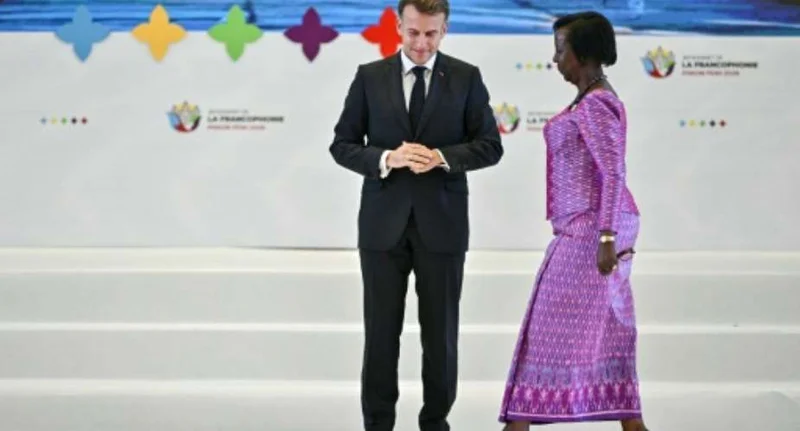
The Organisation Internationale de la Francophonie (OIF) has postponed the election for its next secretary general until next year after a diplomatic deadlock between the Democratic Republic of Congo (DR Congo) and Rwanda. The decision, reached during a high-profile summit attended by French President Emmanuel Macron, serves as a compromise to prevent the withdrawal of DR Congo from the international body. Kinshasa had issued a formal threat to exit the organisation if the incumbent secretary general, Louise Mushikiwabo of Rwanda, was granted a second term without opposition.
The standoff is rooted in the ongoing conflict in eastern DR Congo, where the government has accused Rwanda of providing military and financial support to the M23 rebel group. Rwanda has consistently denied these allegations, but the diplomatic friction dominated the summit's proceedings. Under the terms of the agreed compromise, Mushikiwabo will remain in her current role for an interim period, but Rwanda has agreed not to field a candidate in the rescheduled vote next year. This arrangement allows the OIF to maintain its membership base while delaying a potentially fracture-inducing leadership contest.
President Emmanuel Macron, who originally championed Mushikiwabo's appointment to foster stronger ties between France and East Africa, advocated for unity during the summit. However, his efforts to bridge the gap between the two neighbors met with limited success, highlighting the volatile political climate within the Francophone bloc. The situation has raised questions regarding France's continued influence over the OIF, as regional security concerns increasingly supersede linguistic and cultural cooperation.
While the postponement avoids an immediate institutional crisis, the OIF faces the difficult task of managing the deep-seated animosity between two of its prominent African members. The coming year will be critical for the organisation's mediators as they attempt to resolve the leadership dispute without alienating either Kinshasa or Kigali. For now, the OIF remains in a state of administrative uncertainty, reflecting the broader geopolitical challenges currently destabilising the Great Lakes region.