••
Rapper OG Abrantie Urges Music Industry to Reclaim Hiplife’s National Identity
•2 min read•1 source
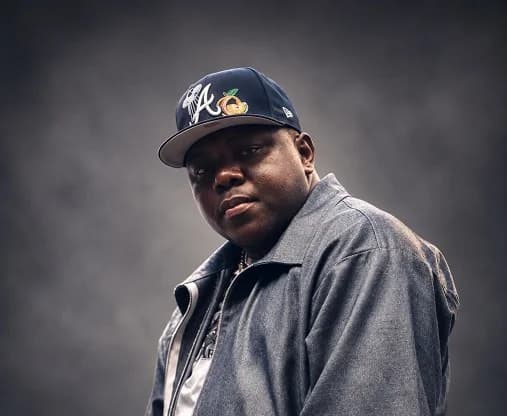
Ghanaian rapper OG Abrantie has voiced significant concerns regarding the preservation and ownership of Hiplife, asserting that the nation has failed to adequately embrace and document the genre that once defined its musical landscape. While Hiplife remains a cornerstone of Ghanaian culture, Abrantie argues that a lack of strategic promotion has left the genre struggling for recognition on global digital platforms, where it is increasingly being overshadowed by newer sounds. He emphasizes that the genre is far from dead, but its survival as a dominant force requires a conscious effort to claim it as a primary national heritage.
Central to Abrantie's argument is the observation that contemporary movements, such as the drill-inspired Asakaa, have gained more visibility on platforms like Spotify compared to traditional Hiplife. He contends that this shift is not necessarily due to a lack of quality, but because the industry has neglected to cement Hiplife's legacy through proper documentation and branding. The rapper warns against a trend where Ghana relies too heavily on external musical influences and trends rather than nurturing and exporting its own home-grown foundations, which he believes have the potential for global longevity if managed correctly.
The rapper also highlighted that the responsibility for sustaining Hiplife should not fall solely on the shoulders of pioneers like Reggie Rockstone. While acknowledging Rockstone's tireless efforts in establishing the genre, OG Abrantie called for a unified front among all music industry stakeholders—including producers, promoters, and younger artists—to collectively elevate the genre’s status. He believes that without a concerted effort to promote Hiplife’s unique identity, the genre risks losing its historical significance in the broader context of African music.
In a move to revitalize interest in the genre, OG Abrantie recently released his new EP, titled 'Is It Elementary?'. The project is intentionally designed to reaffirm his identity as a Hiplife artist and serve as a blueprint for how the genre can evolve without losing its core essence. By releasing this body of work, Abrantie aims to challenge the industry to prioritize national musical assets, suggesting that the future of Ghanaian music depends on its ability to honor its past while navigating the demands of the modern digital era.

