••
Elizabeth Ofosu-Adjare proposes Ghana-Guinea trade standards harmonization
•2 min read•1 source
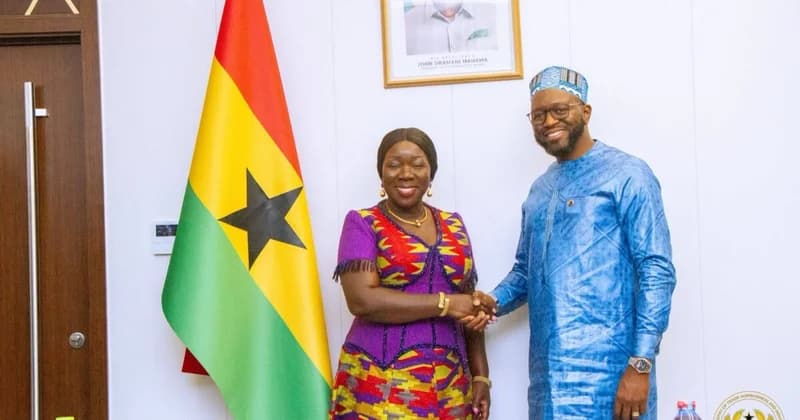
Ghana’s Minister for Trade, Agribusiness and Industry, Elizabeth Ofosu-Adjare, has called for a deeper economic partnership between Ghana and Guinea to stimulate industrial growth and streamline bilateral trade. Speaking during a high-level meeting with her Guinean counterpart, Aboubacar Kourocuma, in Accra on October 26, 2026, the Minister emphasized that both nations possess significant potential to expand their commercial relationship through strategic cooperation in the manufacturing and tourism sectors.
A central component of the discussions focused on the technical aspects of trade. Ms. Ofosu-Adjare urged for a formal collaboration between the Ghana Standards Authority (GSA) and the corresponding standards institution in Guinea. By harmonizing product standards and certification processes, the two countries aim to eliminate non-tariff barriers that frequently impede the flow of goods across borders. This move is intended to ensure that products manufactured in either country meet the quality requirements of the other, thereby facilitating smoother market access for local industries.
In addition to industrial ties, the ministers explored the potential for historical tourism. Ms. Ofosu-Adjare proposed a joint initiative to refurbish the former residence of Ghana’s first President, Dr. Kwame Nkrumah, in Guinea. This project would transform the site into a cultural landmark, celebrating the shared history between the two West African nations and attracting tourists from across the continent and the diaspora. The proposal underscores the enduring pan-African bond established during the era of independence.
The initiative aligns with the broader objectives of the African Continental Free Trade Area (AfCFTA), which seeks to create a single market for goods and services across Africa. Minister Kourocuma expressed his government’s commitment to the proposal, noting that compatible trade standards are essential for the success of regional integration. As both nations work toward these goals, the collaboration is expected to provide a framework for other West African countries to enhance their economic synergies and promote sustainable development.
