••
OECD says permanent migration to developed nations fell by 1.6%
•2 min read•1 source
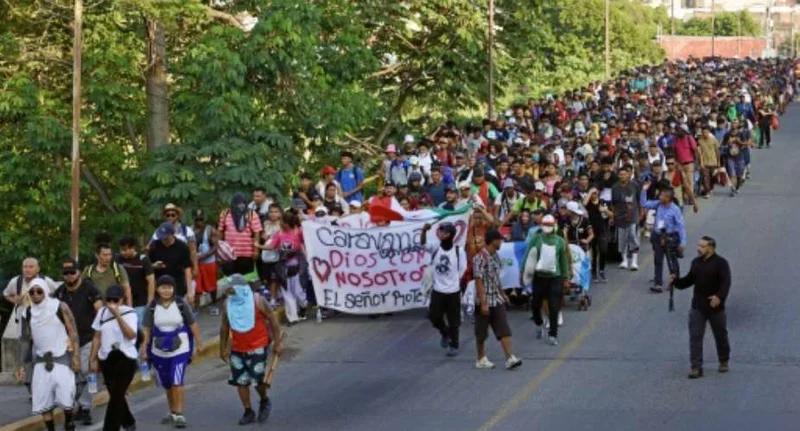
Permanent migration to developed nations experienced a marginal decline of 1.6% in 2025, according to a report by the Organisation for Economic Co-operation and Development (OECD). Total arrivals fell to 6.1 million, down from 6.2 million recorded in 2024. While the total figure remains 12% higher than pre-pandemic levels in 2019, the latest data signals a shift in migration patterns influenced by tightening policies and changing economic needs across major destination countries.
The report highlights a significant disparity between different categories of migration. Legal humanitarian migration saw a sharp decline of 26%, marking a notable shift in how developed nations managed asylum and refugee admissions over the past year. Conversely, labor-driven migration grew by 13%, suggesting that despite overall lower numbers, demand for foreign workers remains robust in many sectors. This evolution reflects a growing emphasis on economic contribution amidst global labor shortages.
Regional trends varied dramatically across member states. Portugal recorded the most substantial surge, with permanent immigrant arrivals jumping 139% to 313,600. Similarly, Spain and Italy saw increases of 25% and 45%, respectively, reaching 460,500 and 248,800 migrants. In contrast, several traditional immigration hubs experienced sharp downturns. The United Kingdom saw a 32% decrease to 295,800, Canada dropped 19% to 393,800, and the United States recorded a 14% decline, although it still hosted the highest total volume with over 1.2 million immigrants.
Despite the annual dip in permanent legal arrivals, the OECD noted that the broader migration landscape continues to be shaped by challenges from irregular migration and humanitarian crises. The findings suggest that while some countries are tightening their borders or streamlining humanitarian pathways, the demand for skilled labor continues to drive a significant portion of international movement. These shifting dynamics are expected to influence future policy debates as governments balance economic needs with social and political pressures.