••
National Peace Council Empowers Women Against Extremism Amid Continued Recovery in Appiatse
•2 min read•2 sources
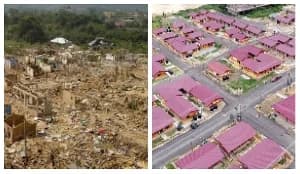
Ghana is currently navigating a complex landscape of internal security and community recovery, marked by proactive peacebuilding initiatives in the north and ongoing reconstruction efforts in the south. The National Peace Council (NPC) has intensified its efforts to safeguard the country’s borders by training 60 women in Kansogo, located in the Bawku West District, to identify and counter violent extremist narratives. Simultaneously, the nation reflects on the fourth anniversary of the devastating Appiatse explosion, an event that continues to shape discussions around mining safety and community resilience under the current administration. In the Bawku West District, the NPC’s two-day training program—supported by the governments of Denmark and Norway through the United Nations Development Programme (UNDP)—specifically targeted young women and active social media users. Mr. Damien Asobayire of the NPC highlighted that women are uniquely positioned as influential figures within families and local social circles to recognize early signs of radicalization. Participants at the Kansogo workshop were taught to challenge harmful narratives and promote peace, emphasizing the critical role of female voices in preventing the spread of extremist ideologies that threaten the stability of the Upper East Region. Meanwhile, in the Western Region, the community of Appiatse continues its journey toward full recovery four years after a truck carrying mining explosives detonated, leveling the town. A recent assessment by the EIB Network underscores the persistent challenges regarding the welfare of survivors and the pace of housing reconstruction. While significant strides have been made since the 2022 disaster, the anniversary serves as a somber reminder of the need for stricter enforcement of mining transport regulations. Experts argue that the lessons learned from Appiatse are vital for preventing similar industrial tragedies as the government seeks to modernize Ghana’s mineral sector. These two distinct developments highlight the dual priorities of the Ghanaian state: protecting citizens from external ideological threats and ensuring safety within the domestic industrial sector. As the National Peace Council scales up its community-level interventions in the north, the ongoing situation in Appiatse remains a litmus test for the government's commitment to disaster management and long-term rural development. Together, these efforts reflect a broader national strategy to foster a secure and resilient environment for all Ghanaians.