••
National Petroleum Authority urges schools to adopt LPG for cooking
•2 min read•2 sources
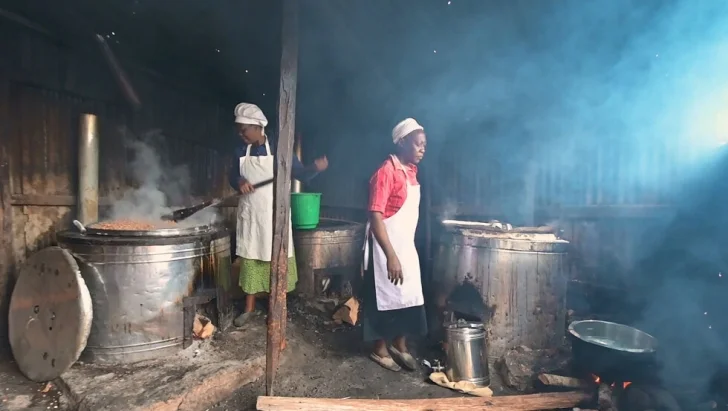
The National Petroleum Authority (NPA) has intensified its campaign to transition senior high schools from traditional firewood and charcoal to Liquefied Petroleum Gas (LPG) for cooking. During a sensitization exercise at the Tamale College of Education, NPA officials warned that the reliance on biomass fuels in large-scale school kitchens is causing severe health complications for staff and students. The authority noted that kitchen workers have reported cases of bronchitis and even blindness resulting from prolonged exposure to thick smoke.
NPA spokesperson Eunice Budu Nyarko highlighted that LPG offers a cleaner and more efficient alternative, which is essential for protecting the health of institutional workers. This position is supported by research from Dr. Hawawu Hussein, which indicates that children and infants are particularly vulnerable to traditional fuel smoke; babies born to mothers using firewood are significantly more prone to respiratory illnesses. Mohammed Mansur Hussein further emphasized the urgency of the shift, noting specific instances where kitchen staff suffered irreversible health damage.
The sensitization initiatives are currently focused on educational institutions in northern Ghana, where the adoption of LPG remains lower than in other regions. By educating school administrators on the health and environmental benefits of LPG, the NPA aims to phase out the use of firewood in boarding schools nationwide. This transition is expected to improve the working conditions of kitchen staff while contributing to broader national goals of health safety and environmental conservation.