••
National Petroleum Authority Navigates 76% Fuel Import Dependency Amid Institutional Reforms and Staff Welfare Launch
•2 min read•3 sources
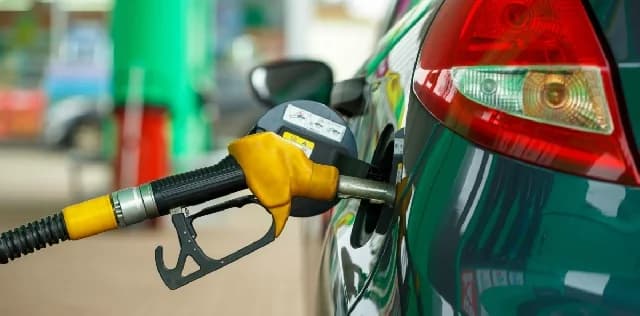
The National Petroleum Authority (NPA) has revealed that Ghana remains heavily dependent on international markets for its energy needs, with locally refined products accounting for only 24% of the country’s fuel supply between January and August 2026. This data, shared by Abass Ibrahim Tasunti, Director of Economic Regulation and Planning, underscores a significant vulnerability to global price fluctuations. To manage this imbalance, the NPA is currently balancing import volumes against fluctuating local production levels to ensure national fuel security, while simultaneously launching a series of internal and external initiatives aimed at improving sector transparency and institutional performance.
To address the human resource challenges inherent in managing such a critical sector, the NPA officially launched its 2026 Staff Welfare Celebration on September 28, themed ‐Our People, Our Teamwork and the Spirit That Makes NPA One Family.‑ Chief Executive Godwin Kudzo Tameklo announced several new measures to boost morale and productivity, including enhanced allowances and an extension of paternity leave. Deputy Minister of Energy Richard Gyan Mensah, who attended the launch as the Special Guest of Honour, emphasized that employee wellbeing is directly linked to the authority’s ability to regulate the downstream petroleum sector effectively and meet national energy goals.
In tandem with internal welfare improvements, the NPA is coming under increased public and media scrutiny regarding its operational efficiency. On the same day as the welfare launch, the Ghana Anti-Corruption Coalition (GACC), in partnership with the Africa Centre for Energy Policy (ACEP) and Transparency International-Ghana, held a specialized training session for journalists. This workshop focused on the Auditor-General’s Performance Audit Report on the NPA, aiming to empower the media to report more accurately on issues of accountability, value for money, and regulatory compliance within the petroleum sector.
As the NPA moves through its week-long celebration—which includes entrepreneurial fairs, waste management workshops, and the commissioning of boreholes in the Eastern Region—the agency is attempting to bridge the gap between internal institutional health and external economic pressures. The combination of improved staff conditions and heightened transparency through performance audits is expected to create a more resilient regulatory body. However, the long-term stability of Ghana's energy sector will likely depend on the NPA's success in shifting the current 76% import reliance toward greater domestic refining capacity.