••
Nkanchina Nursing College Appeals for Infrastructure Support to Secure Delayed Diploma Accreditation
•2 min read•1 source
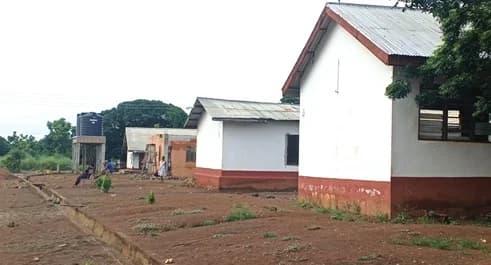
Nearly six years after its establishment, the College of Community Health Nursing-Nkanchina in the Kpandai District of the Northern Region continues to operate under severe infrastructural constraints that threaten its growth and academic progression. Despite its critical mission of training nurses to serve in Ghana’s most underserved rural areas, the institution remains hampered by a lack of basic facilities and utilities. Currently, more than 500 students are enrolled in the college, yet the school’s management reports that significant gaps in infrastructure are now delaying the vital accreditation needed to introduce diploma-level programmes.
The college’s operational environment is particularly challenging as it continues to function within repurposed buildings originally designed for leprosy treatment. These inadequate facilities have led to a severe shortage of classrooms and essential academic spaces. Beyond the physical structures, the institution is plagued by unreliable electricity and a near-total lack of internet connectivity, which are indispensable for modern medical training. Furthermore, transportation issues have made it difficult for both staff and students to navigate the remote location, further isolating the campus from the broader healthcare community.
The management of the college has formally appealed to the government for urgent intervention to address these systemic failures. According to school officials, the introduction of diploma programmes is contingent on an infrastructure boost that meets the standards of the regulatory bodies. Without immediate investment in classrooms, laboratories, and reliable utility services, the college risks stagnation, potentially depriving the Northern Region of a steady stream of qualified healthcare professionals dedicated to rural service. The success of the institution is seen as pivotal to improving healthcare outcomes in the Kpandai District and beyond.