••
Nike and Meta Face Severe Corporate Crisis as Sportswear Giant Loses Market Value and Tech Leader Battles $40 Billion Privacy Penalty
•3 min read•2 sources
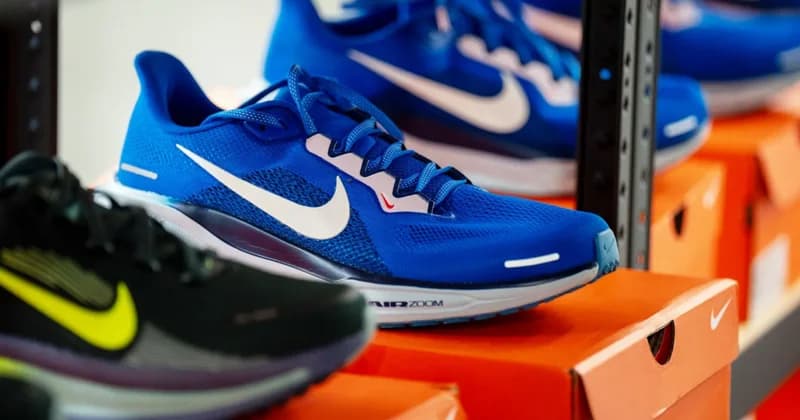
Global corporate giants Nike and Meta Platforms are currently grappling with distinct but severe crises that underscore the volatile nature of the modern business landscape. Nike, long the undisputed leader in sportswear, is attempting a high-stakes turnaround under new leadership as its market value and brand prestige erode. Meanwhile, Meta Platforms is staring down a staggering $40 billion legal demand in New Mexico, stemming from a jury’s finding that the social media titan misled the public about its data privacy practices following the Cambridge Analytica scandal. These developments highlight a period of intense scrutiny and transition for some of the world's most influential companies.
Nike’s struggles have been marked by a significant loss in sales and a 75% drop in stock value over the last five years, leading to its removal from the prestigious S&P 100 index. Strategic missteps, including a pivot away from traditional retail partners in favor of direct-to-consumer digital sales, are blamed for stalling product innovation and alienating long-term customers. The departure of high-profile athletes, notably football star Kylian Mbappé to the rival brand On, has further fueled doubts about Nike's ability to maintain its cultural appeal. In response, the company has brought Elliott Hill out of retirement to spearhead a "Sport Offence" strategy, though internal forecasts suggest revenues will continue to decline in the coming year alongside planned job cuts.
In the technology sector, Meta’s legal battle in New Mexico has reached a critical juncture. State attorneys are seeking penalties ranging from $35 billion to $40 billion, asserting that Meta committed over 43 million violations of consumer protection laws. While Meta’s legal team argues that the penalty should be capped at $3.45 billion—maintaining that the state has not proven actual consumer deception—the sheer scale of the requested fine represents a major threat to the company’s capital. A final ruling from Judge Francis Mathew is expected later this month, which could have far-reaching implications for how data privacy is litigated in the United States.
As both Nike and Meta prepare for the future, the paths forward remain fraught with uncertainty. Analysts suggest that while Nike still commands a loyal global customer base, reclaiming its former market dominance will require a radical return to the innovative product design that first made it a disruptor. For Meta, the New Mexico verdict may serve as a bellwether for other states seeking to hold big tech companies accountable for historical data mishandling. For both entities, the coming months will be a test of their ability to adapt to shifting regulatory environments and evolving consumer expectations in an increasingly competitive global economy.