••
Nigerian Senate approves constitutional reform for state police forces
•2 min read•1 source
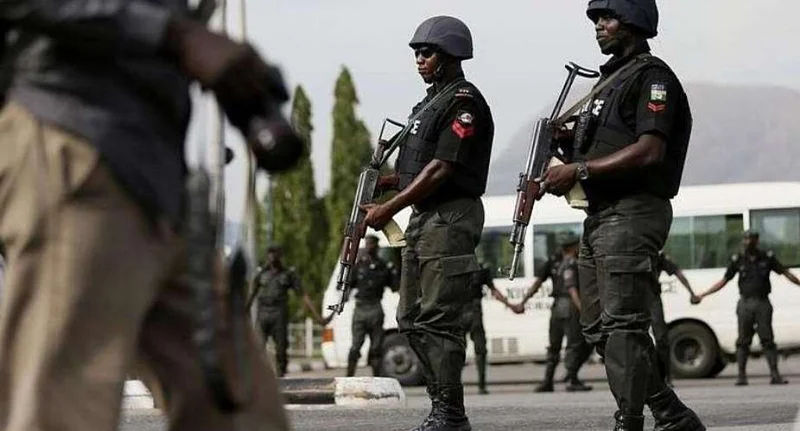
The Nigerian Senate has adopted a landmark constitutional reform that permits each of the 36 states in the federation to establish its own independent police force. This move marks a significant departure from the country’s long-standing centralized security architecture, where the Nigeria Police Force operated strictly under federal control. The proposed amendment has already secured the backing of 28 state legislatures, surpassing the required two-thirds majority of state assemblies needed for constitutional changes. The reform now awaits final presidential assent to be formally enshrined into law.
Proponents of the decentralization argue that local police forces are essential for tackling the country’s escalating security challenges. Currently, Nigeria’s centralized police and military forces are stretched thin as they struggle to contain a protracted jihadist insurgency in the northeast, widespread banditry in the northwest, and a general rise in violent crime across the nation. By establishing state-level forces, authorities hope to deploy officers who are deeply familiar with the geography, language, and cultural nuances of the communities they serve, thereby improving intelligence gathering and response times.
Despite the optimism, the reform has sparked significant debate regarding its practical implementation and potential for abuse. Critics and human rights advocates have raised alarms about the possibility of state governors using their local police forces as political tools to suppress opposition or settle personal scores. There are also pressing concerns about the financial sustainability of these forces, as many Nigerian states already struggle to meet existing payroll obligations. To address these fears, the Senate has proposed various safeguards and oversight mechanisms designed to ensure that state police remain accountable and do not replicate the systemic flaws often attributed to the federal police.
The transition toward a multi-layered policing system is viewed by many as a necessary evolution for Africa’s most populous nation. However, the effectiveness of the reform will ultimately depend on the rigor of the implementing regulations and the availability of resources to equip and train new personnel. As the legislation moves toward the president’s desk, the Nigerian public remains divided between the hope for a more secure environment and the fear of creating new instruments of local oppression.