••
At Least 37 Dead in Nigeria's Rivers State After Toxic Fume Inhalation During Petrol Theft Operation
•2 min read•3 sources
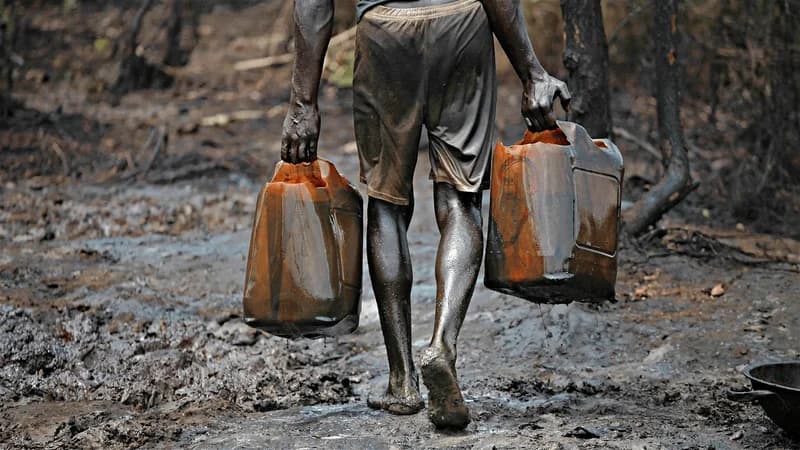
At least 37 people have been confirmed dead in Nigeria’s Rivers State following a tragic incident where individuals inhaled toxic fumes during an illegal oil-siphoning operation. The disaster occurred at the Okari Jetty in the Okrika Local Government Area, where a large group of people—estimated between 100 and 200—had gathered under the cover of darkness to siphon refined fuel from a pipeline or commercial loading vessel. Local authorities and search-and-rescue teams are currently on-site, as many individuals remain unaccounted for and the death toll is feared to rise as investigations continue.
According to eyewitnesses and the Youths and Environmental Advocacy Centre (YEAC), the incident was triggered when simultaneous extraction efforts by a large group of youths led to a sudden gas leak, resulting in mass asphyxiation. Survivors who were rushed to nearby healthcare facilities are currently being treated for acute respiratory complications and chemical inhalation. While Nigerian security forces have recently intensified operations against pipeline vandalism and oil theft, this tragedy highlights the lethal risks associated with illegal extraction in the Niger Delta. The Nigerian police have confirmed the fatalities but noted that a final casualty count is still being determined while search operations persist along the riverbank.
This deadly event underscores the deep-seated socioeconomic challenges within the Niger Delta, a region that remains plagued by poverty despite being the heart of Africa’s largest petroleum-exporting nation. Decades of environmental degradation and a lack of sustainable economic opportunities have driven many local residents to resort to dangerous "bunkering" practices as a desperate means of survival. Advocacy groups emphasize that while law enforcement is necessary to protect national infrastructure, the root causes—including systemic poverty and the lack of community development—must be addressed to prevent such catastrophic loss of life in the future.
Moving forward, the Nigerian government faces increasing pressure to balance its security-focused approach with comprehensive environmental restoration and economic programs for oil-producing communities. The state is currently aiming to significantly boost oil production and attract new investments by 2030, a goal that remains threatened by the ongoing crisis of oil theft and infrastructure sabotage. As the community of Okrika mourns those lost in this latest disaster, the tragedy serves as a grim reminder of the human cost inherent in the region's complex and often volatile relationship with its most valuable natural resource.