••
Nigerian police hunt farmer for allegedly poisoning 30 cattle
•2 min read•1 source
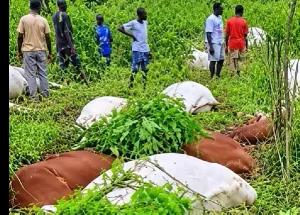
Nigerian police are searching for a 54-year-old farmer who allegedly poisoned more than 30 cattle in a retaliatory move against a Fulani herdsman. The incident occurred after the cattle reportedly strayed into the farmer's cassava plantation and destroyed his crops. This development has sparked significant local concern after reports and images of the mass animal deaths began circulating on social media, prompting an immediate investigation by law enforcement.
The farmer allegedly applied poison to his cassava crops specifically to target the animals that had been damaging his farm. The cattle, which belonged to a Fulani herdsman, died shortly after grazing on the contaminated crops. The loss of over 30 animals constitutes a significant blow to the herdsman’s livelihood and the local pastoralist community. According to reports, the farmer had previously filed multiple complaints regarding the repeated destruction of his crops by wandering livestock, suggesting a long-standing grievance that culminated in this action.
This incident reflects the deep-seated and often volatile tensions between sedentary farmers and nomadic pastoralists in Nigeria. These conflicts are frequently driven by competition over land and water resources, as well as the absence of effective mediation for crop destruction claims. While the farmer’s frustration over the loss of his livelihood is a common sentiment in rural agricultural communities, the use of poison introduces a severe risk to both animal welfare and the safety of the local food chain.
Law enforcement authorities are currently investigating the case and are in pursuit of the suspect. While the farmer remains at large, police have cautioned against any retaliatory violence between the farming and herding communities to ensure that peace is maintained. This case underscores the urgent need for robust frameworks to resolve land-use disputes to prevent individuals from taking the law into their own hands and to protect the interests of both farmers and herdsmen.