••
Nigeria police disperse #EndSARS memorial at Lekki tollgate
•2 min read•1 source
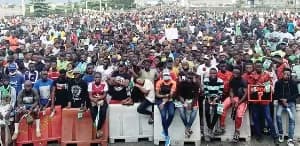
Nigerian police officers used tear gas on Tuesday to disperse a crowd of protesters and activists gathered at the Lekki tollgate in Lagos. The group had assembled to hold a memorial service for the victims of the October 2020 #EndSARS protests, marking a somber anniversary of the demonstrations against police brutality. This latest intervention by security forces at the iconic tollgate site occurred as participants attempted to pay their respects and ensure the events of three years ago are not forgotten. Among those present during the police action were several notable political figures, including Gbadebo Rhodes-Vivour, the African Democratic Congress governorship candidate, and Funso Doherty of the Nigeria Democratic Congress. These individuals had joined activists to lay wreaths and offer tributes to those who died or were injured when security forces opened fire on peaceful demonstrators in 2020. However, the memorial was cut short as officers deployed tear gas to break up the gathering, forcing participants to flee the immediate vicinity of the tollgate. The Lekki tollgate remains a deeply significant location for Nigerians, particularly the youth who led the nationwide movement to abolish the Special Anti-Robbery Squad (SARS). The 2020 protests represented a watershed moment in Nigeria's democratic history, demanding an end to systemic extortion, torture, and extrajudicial killings. Tuesday's police response has been criticized by civil rights advocates as a continuation of the heavy-handed tactics that originally fueled the #EndSARS movement, suggesting that the underlying tensions between the public and the police remain unresolved. As news of the disruption spread, it reignited conversations regarding the right to peaceful assembly and the progress of promised police reforms. The persistence of citizens in returning to the tollgate each year serves as a reminder of the unresolved calls for accountability following the judicial panels of inquiry that investigated the 2020 incidents. For many, the police's decision to use tear gas on a memorial service indicates that the struggle for justice and police transparency in Nigeria continues to face significant institutional resistance.