Africa1 source2 min read
Nigerians enter Boko Haram areas as US food aid cuts worsen hunger
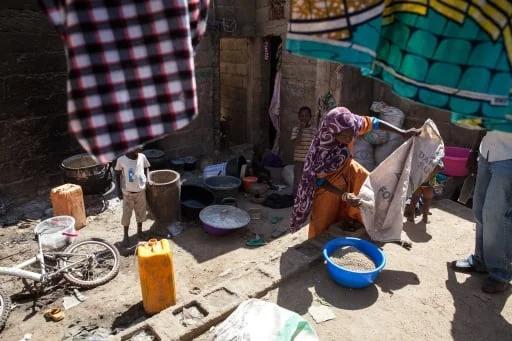
Displaced Nigerians are increasingly forced to venture into territories controlled by Boko Haram and other jihadist groups to find food, driven by drastic cuts in international humanitarian aid. The reduction in support, which has come primarily from the United States, has left millions in Northeast Nigeria facing a choice between starvation in government-secured camps or the perils of insurgent-held lands. The World Food Programme (WFP) reports that hunger levels in the region have surged, with approximately 17 million people currently experiencing severe food insecurity.
The desperation of those affected is exemplified by the plight of local fishermen like Musa, who now navigate waters managed by militants to provide for their families. As food rations in displacement camps dwindle, residents are frequently pushed to engage in high-risk activities, such as foraging or fishing in conflict zones. In many instances, these individuals are forced into uneasy arrangements with militants, who control access to fertile lands and fishing grounds. This shift has created a complex environment where the lines between civilian survival and militant cooperation are increasingly blurred.
Humanitarian experts warn that Boko Haram is actively capitalizing on this deepening hunger crisis to bolster its ranks. By providing food and a semblance of order in areas under their control, jihadist groups are finding it easier to recruit new fighters from the ranks of the impoverished and displaced. The cutbacks in aid have effectively handed the insurgents a powerful tool for radicalization, as the inability of the state and international community to provide basic sustenance leaves a vacuum for militants to fill.
The crisis is further complicated by increased military hostility toward local populations suspected of collaborating with insurgents. As civilians are forced into closer contact with Boko Haram for survival, they risk being targeted by government forces, creating a double-edged threat. Analysts suggest that the reduction in food aid, intended as a budget measure, may inadvertently prolong the conflict by strengthening the recruitment capabilities of extremist groups and undermining the stability of the entire Lake Chad Basin region.
Sources
Related reporting

Suspected militants kill 30 people in Nigeria's Niger state
Africa · 2 sources · 26 Nov