••
Deaf Nigerians demand recognition for indigenous sign languages
•2 min read•1 source
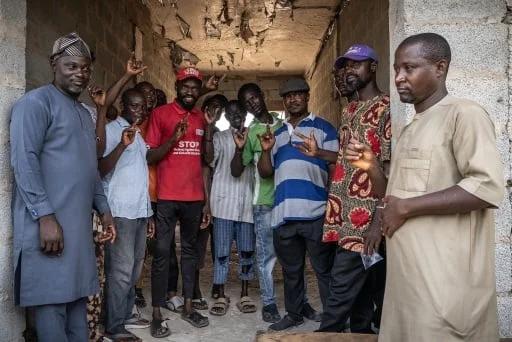
Activists and researchers across Nigeria are intensifying calls for the formal preservation and documentation of indigenous sign languages to prevent them from being eclipsed by the official Nigerian Sign Language (NSL). Proponents of this movement argue that local systems, such as Hausa sign language, are not merely communication tools but essential components of cultural identity for the country's deaf community. While NSL is the primary language used in formal education and official settings, a diverse range of indigenous sign systems continues to thrive in regional pockets, reflecting Nigeria’s vast linguistic heritage.
The push for recognition is driven by concerns that formal educational practices, which prioritize standardized sign languages often influenced by American Sign Language (ASL), are marginalizing traditional local variants. Advocates like Umaru Zayyanu and Festus Zenda have been at the forefront of documenting these indigenous systems, highlighting their importance in everyday communal life. They contend that local sign languages are often more intuitive and culturally relevant to specific ethnic groups, allowing for a deeper connection to their heritage and social environments that a standardized official language may not fully capture.
As these indigenous sign languages face the risk of decline or total disappearance, researchers emphasize the urgent need for systematic documentation. By valuing these local systems alongside the official national language, activists believe Nigeria can better support the inclusivity and cultural rights of its deaf population. The long-term goal of this advocacy is to ensure that future generations of deaf Nigerians have access to linguistic tools that honor their specific cultural backgrounds while navigating a modern, standardized world.
