••
Nigerian Authorities Probe Custodial Deaths of 37 Miners as ActionAid Launches Regional Governance Project
•2 min read•5 sources
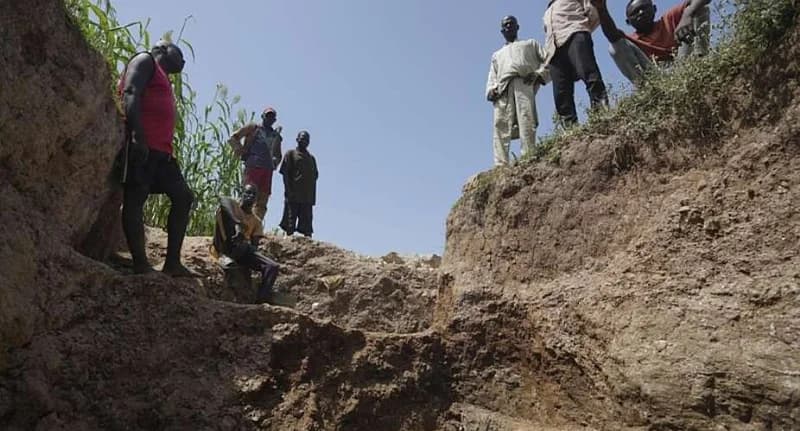
In a week marked by both tragedy and institutional reform within the African mining sector, Nigerian authorities have launched a high-level investigation into the deaths of 37 suspected illegal miners while in state custody. The fatalities occurred in north-central Niger State, a region rich in gold deposits but plagued by artisanal mining disputes and gang violence. Governor Mohammed Umaru Bago has declared three days of mourning and established a committee of inquiry to determine how dozens of detainees died while under the supervision of the Nigeria Security and Civil Defence Corps (NSCDC). Conflicting reports have emerged regarding the cause of death. While the NSCDC attributed the loss of life to a suspected outbreak of disease, possibly diphtheria, secondary intelligence and reports from the scene suggest that severe overcrowding and a lack of ventilation within the detention facility played a significant role. The tragedy sparked immediate civil unrest in Minna, where protesters damaged property in response to the news. In a move to ensure accountability, a police inquiry is underway, and at least one NSCDC commander has been detained as investigators probe allegations of foul play and administrative negligence. As Nigeria grapples with these custodial deaths, a broader regional effort to safeguard the rights of mining communities has been initiated in Ghana. ActionAid Ghana recently launched the Uplifting the Voices of Mining Communities (VOICES) project, a multi-country initiative funded by Comic Relief that extends to Malawi and Senegal. The project aims to empower residents in mining hubs like Mfantseman and Ahafo Ano South West by enhancing their participation in decisions regarding land use and livelihoods. By establishing community monitoring committees and training youth and women leaders, the project seeks to rectify the historical power imbalance between multinational interests and local indigenous populations. The stark contrast between the tragedy in Nigeria and the advocacy in Ghana highlights a persistent crisis in African mineral governance. Experts, including Dr. Emmanuel Steve Asare Manteaw, have noted that while mining contributes significantly to national economies, the mismanagement of mineral revenues and the exclusion of local voices often lead to socio-environmental degradation and violence. As the Nigerian police continue their probe and the VOICES project begins its work, the regional focus remains on transforming the mining sector from a source of conflict and tragedy into a sustainable driver of community-led development.
Live rates
Ghana gold price →