••
Nigeria administers 1.8 million malaria vaccine doses in four states
•2 min read•1 source
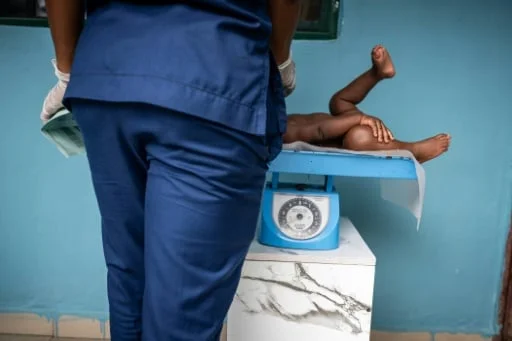
Nigeria has recorded a significant decline in malaria cases and child mortality following the administration of nearly 1.8 million vaccine doses across four states. Since the rollout began in late 2024, health authorities have observed a notable shift in public health outcomes, particularly among children under five who are most vulnerable to the disease. This initiative marks a critical phase in the country's battle against malaria, utilizing the world’s first approved vaccine for the parasitic disease to protect nearly a quarter-million children.
The impact of the immunization campaign has been most evident in Bayelsa state, where health workers report a dramatic improvement in child health. In several districts within the state, officials have noted the complete eradication of malaria-related deaths since the vaccine's introduction. These successes have been attributed to a dedicated rollout strategy that includes community appreciation events, which have helped build local trust in the new medical intervention despite a relatively slow start to the national campaign.
Despite these gains, the rollout continues to face significant logistical hurdles. Health officials highlight the difficulty of reaching isolated and remote communities where poor infrastructure complicates the delivery of medical supplies. Furthermore, medical experts caution that the vaccine does not offer total immunity and its effectiveness tends to diminish over time. This reality necessitates a sustained effort to ensure children receive all required doses and that the vaccination remains part of a broader integrated health strategy.
Moving forward, Nigerian health authorities emphasize that the vaccine must be complemented by traditional preventive measures, such as the use of insecticide-treated bed nets and indoor residual spraying. As the country continues its phased rollout, the focus remains on overcoming socio-economic barriers and strengthening the supply chain to ensure that life-saving doses reach the most remote corners of the country. The ongoing efforts by frontline health workers remain central to maintaining the momentum seen in the initial four states.

