••
High Commissioner Nghituwamata Explores Volta Region Investments as Dangote Refinery Gains $5bn and NRSA Enforces New Transport Rules
•2 min read•3 sources
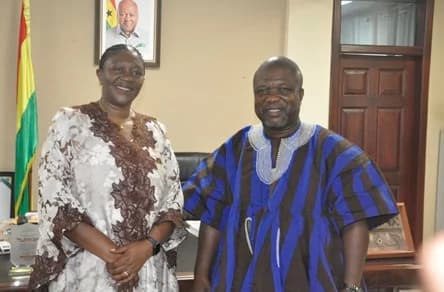
A significant shift in West African economic activity is unfolding as diplomatic, industrial, and regulatory developments converge this week. Namibia’s High Commissioner to Ghana, Ndiyakupi Nghituwamata, has launched a five-day economic familiarization tour of the Volta Region to unlock trade and investment potential, specifically in agriculture and tourism. Simultaneously, the regional energy landscape is shifting as Aliko Dangote’s $20 billion refinery in Lagos sees a massive valuation surge driven by global geopolitical tensions. Meanwhile, Ghana’s National Road Safety Authority (NRSA) is moving to formalize the transport sector through new regulations for motorcycle and tricycle operators in Bolgatanga.
High Commissioner Nghituwamata’s tour aims to deepen the long-standing historical and cultural ties between Namibia and Ghana through tangible economic cooperation. During a meeting with Volta Regional Minister James Gunu, the High Commissioner highlighted the region’s unique advantages, including its relative absence of illegal mining and strategic proximity to Togo, which facilitates cross-border trade. Regional officials emphasized that the collaboration would focus on maximizing the economic potential of the area's natural resources and hospitality sector, fostering mutual prosperity through direct people-to-people relations.
On the industrial front, Nigerian billionaire Aliko Dangote’s wealth has reportedly grown by over $5 billion since February, fueled by increased global demand for fuel from his Lagos-based refinery. As conflicts in the Middle East and disruptions in Russia force nations to seek alternative energy sources, the $20 billion facility has emerged as a critical strategic asset. This windfall highlights the refinery's pivotal role in stabilizing regional fuel supplies and its capacity to capitalize on global market volatility, further cementing Dangote's position as a central figure in African industry.
Domestic economic regulation is also evolving as the NRSA begins the six-month transition period for Legislative Instrument (L.I.) 2519. In Bolgatanga, Eric Anokye Fordjour, the NRSA’s Upper East Regional Head, is leading sensitization efforts to ensure commercial motorcycle and tricycle operators comply with new licensing, registration, and identification requirements. These measures, including mandatory union membership and the use of yellow number plates for commercial vehicles, are designed to enhance safety and supervision within the sector. Collectively, these developments—from high-level diplomacy in the Volta to industrial gains and localized transport reform—signal a period of active restructuring across the Ghanaian and broader West African business landscape.