••
Benjamin Netanyahu faces deadlock as Israeli election results emerge
•2 min read•2 sources
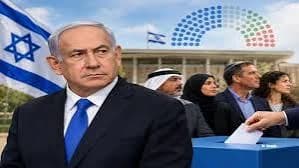
Israeli Prime Minister Benjamin Netanyahu’s Likud party is leading in the latest election count but remains short of a governing majority, according to partial results. With Likud and its allies projected to secure 53 seats and Gadi Eisenkot’s opposition bloc reaching 48, neither side has currently reached the 61-seat threshold required to form a government in the 120-seat Knesset. This stalemate leaves Arab-led parties, who won a record 19 seats, as potential kingmakers in the complex coalition negotiations ahead. President Isaac Herzog has highlighted a high voter turnout of 77.7%, urging political leaders to find a path forward to avoid another election cycle.
The post-election landscape has been marred by accusations of delegitimization and foreign interference. Prime Minister Netanyahu and his Likud party have accused Arab parties of "stealing" the election, prompting a Shin Bet investigation into alleged illegal funding from Qatar and Turkey. While Qatar has strongly denied these claims, opposition leader Gadi Eisenkot and Arab party leaders have hit back, accusing Netanyahu of trying to undermine the democratic process. Arab representatives dismissed allegations of voter bribery as baseless, viewing the Prime Minister’s rhetoric as an attempt to invalidate the record-breaking Arab political participation.
As election officials review absentee ballots that could still shift the final seat distribution, several paths for government formation remain. Options include a broad unity government or a minority administration, with polls suggesting that opposition voters favor a government led by Eisenkot with the backing of the Ra’am party. However, any coalition involving Arab parties faces significant hurdles due to the polarized political environment. With security concerns and calls for stable leadership mounting, the coming weeks will see intensive negotiations as both Netanyahu and Eisenkot attempt to secure the alliances necessary to break the national deadlock.