••
Nepal Flood Recovery, Kenya's Milk Crisis, and Personal Hardships Define Recent Global Developments
•3 min read•3 sources
The international community is currently grappling with a series of diverse challenges, ranging from large-scale natural disasters in South Asia to economic disruptions in East Africa and complex personal dilemmas in West Africa. From the catastrophic flooding in Nepal that has left billions of dollars in damage to a milk shortage threatening a cultural staple in Kenya, these events highlight the fragility of infrastructure and social norms. Meanwhile, personal accounts from Ghana provide a window into the individual struggles that mirror broader societal pressures of dependency and unexpected change, illustrating the wide spectrum of crises currently unfolding across the globe.
In Nepal, the scale of recent environmental destruction is staggering, with officials estimating total losses at approximately $2.56 billion following catastrophic floods. Dharma Raj Upreti, chief of the National Disaster Risk Reduction and Management Authority, reported that the deluge decimated housing, private property, and critical national infrastructure. The immediate road to recovery is both urgent and costly; authorities estimate that $52.6 million will be required over the next four months alone to restore essential services. This funding is earmarked for the construction of temporary shelters, the restoration of drinking water and electricity, and the repair of vital road networks to reconnect isolated communities.
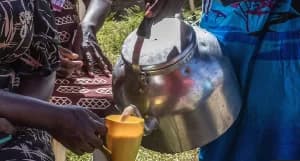
Simultaneously, Kenya is facing a different kind of crisis that strikes at the heart of its social fabric: a severe milk shortage. For many Kenyans, "chai"—a milky tea often boiled with ginger and other spices—is more than just a beverage; it is a fundamental part of daily life and social interaction consumed multiple times a day. With cows across the nation failing to produce adequate supply, the scarcity of milk has caused significant distress among citizens who rely on the drink for breakfast and hospitality. This shortage highlights how agricultural fluctuations can immediately impact the cultural traditions and daily routines of an entire population.
On a more individual level, a narrative emerging from Ghana illustrates the personal anxieties that can arise amidst broader societal expectations. A 24-year-old university student has shared his overwhelming situation after discovering that a 45-year-old mother of four is pregnant with his child. Expressing a deep sense of dependency on his own parents and the feeling of being ill-equipped for such an unexpected challenge, his story reflects a modern struggle with responsibility and the sudden transition into adulthood under complicated circumstances. This personal crisis underscores the emotional and social challenges facing the youth in a changing social landscape.
Whether dealing with the multi-billion dollar reconstruction of a nation’s infrastructure or the quiet desperation of an individual facing a life-altering event, these stories underscore a universal theme of resilience in the face of the unexpected. In Nepal, the focus remains on physical and economic rebuilding, while in Kenya and Ghana, the emphasis shifts to the preservation of cultural identity and personal stability. As global and local communities navigate these hurdles, the need for robust support systems—be they government-led disaster management or familial guidance—remains a critical common thread in addressing the unpredictable nature of the modern world.
Live rates
Dollar to cedi rate →