••
Nepal Flood Death Toll Surpasses 1,000 as Rescuers Race to Save Trapped Hydropower Workers
•2 min read•12 sources
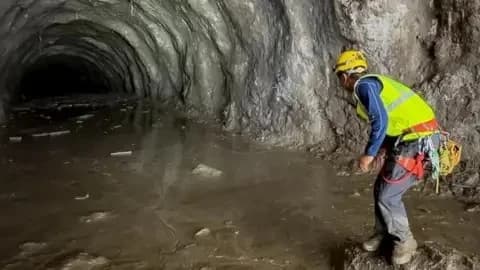
The death toll from catastrophic floods along the Nepal-Tibet border has surpassed 1,000 people, with over 3,900 individuals still reported missing. The disaster, triggered by a sudden glacier collapse in Tibet, sent devastating floodwaves down the Trishuli River, obliterating infrastructure and leaving a trail of destruction across the region. While 279 people have been successfully rescued so far, an international team of military personnel and experts from China, India, South Korea, and Australia is currently racing against time to reach more than 600 workers trapped in mud-filled tunnels at various hydropower sites.
Amidst the widespread tragedy, a heroic act of quick thinking saved hundreds of lives at the Tribhuvan Trishuli secondary school in Nuwakot. Headteacher Rajenda Dawadi evacuated 900 pupils just 15 minutes before the floodwaves struck the building. Acting on urgent phone warnings, Dawadi prioritized safety over academic continuity, famously stating, "if there’s no flood, we lose a day of studies. But if there is a flood, we all lose our lives." While the school building was almost entirely destroyed and at least one staff member was killed, Dawadi’s decisive action ensured that all 900 students escaped the initial surge, though one student required hospitalization after fainting during the panicked evacuation.
Nepal’s Prime Minister, Balendra Shah, has emphasized that the disaster is a stark reminder of the increasing risks posed by climate change in the Himalayan region. The scale of the mortality has overwhelmed local authorities, with only four percent of recovered bodies identified thus far. In response, makeshift burials are being conducted for unidentified remains, with plans for future DNA testing to assist grieving families. While the situation in Tibet remains under heavy information control by Chinese authorities—who have reported 16 deaths and 546 missing—the broader international community is being urged to recognize the escalating environmental vulnerability of the region as search and recovery operations continue.
