••
Rescue Operations Resume Along Nepal-China Border After Catastrophic Mudslides Leave Over 470 Dead
•2 min read•12 sources
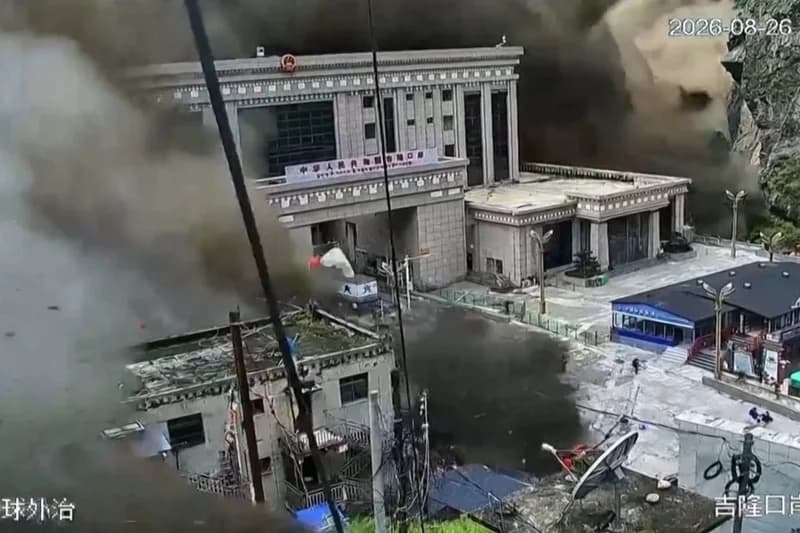
Rescue and recovery operations have resumed along the Nepal-China border following a temporary suspension caused by fears of a secondary flooding disaster. The catastrophic mudslides, which struck the Gyirong-Rasuwa border crossing, have resulted in a staggering loss of life, with at least 469 confirmed deaths in Nepal and five in China. Concerns over a landslide-induced barrier lake had previously forced a halt to search efforts; however, authorities resumed operations after the lake’s water level dropped by approximately 10 meters, significantly mitigating the immediate threat of a dam burst.
Chinese President Xi Jinping has extended deep condolences to Nepali President Ram Chandra Poudel, reaffirming China’s commitment to assisting in the rescue and recovery process. Chinese Premier Li Qiang has been actively directing relief efforts on the ground, emphasizing the urgent need to locate survivors despite the grueling conditions. On the Nepali side, Prime Minister Balendra Shah has also received diplomatic support as both nations grapple with the scale of the destruction, which has left over 1,300 people missing in Nepal and more than 550 missing in China.
Emergency responders are navigating incredibly difficult terrain, characterized by deep mud, steep slopes, and destroyed infrastructure. Despite these hurdles, heroic efforts have led to the rescue of approximately 900 individuals, including 119 foreign nationals who were trapped in the remote region. Eyewitnesses and survivors have described the sudden onset of the disaster as being akin to an inland tsunami, with a massive wall of water and debris obliterating entire communities in its path.
Scientific analysis from geologists suggests the disaster was triggered by a glacier collapse in the Himalayas, which unleashed a torrent of water that caused the massive mudslides. This finding highlights the growing environmental risks in the region and the necessity for long-term monitoring of glacial lakes. As recovery efforts continue, international cooperation remains vital for the affected communities. Both the Chinese and Nepali governments are now focusing on providing medical care for the injured and supporting thousands of displaced residents as they begin the long process of rebuilding.
