••
National Entrepreneurship Programme integrates job-creation skills into SHS curriculum
•2 min read•1 source
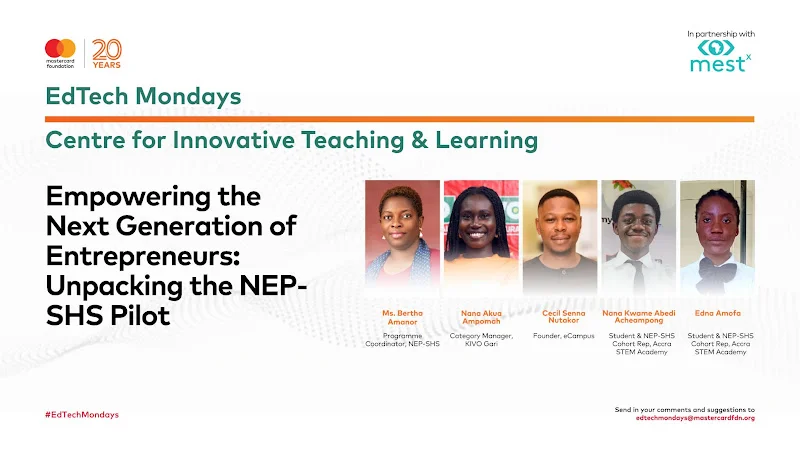
The National Entrepreneurship Programme for Senior High Schools (NEP-SHS) has moved to address the widening gap between academic learning and the labour market by formally integrating entrepreneurship and problem-solving skills into the national curriculum. The initiative is designed to transition students from being job seekers to job creators, directly tackling the challenge of youth unemployment in Ghana. By embedding these modules into the existing Senior High School framework, the programme ensures that entrepreneurial thinking becomes a core component of the secondary education experience.
During a recent EdTech Mondays discussion, representatives from the programme and private sector partners explained that the initiative focuses on equipping students with practical, real-world skills before they graduate. The programme leverages digital technology through partnerships with firms like eCampus, which assists in digitising learning materials to make them more accessible and engaging. This proactive approach aims to empower students with the digital literacy and innovative mindset required to navigate a modern economy.
A key feature of the NEP-SHS is its emphasis on linking education with industry through direct mentorship and private-sector involvement. Partners such as Kivo Gari provide students with insights into the operational realities of the business world, offering a bridge between theoretical classroom concepts and actual industrial practices. This collaborative model ensures that the curriculum remains relevant to the evolving needs of the workforce and encourages students to identify and solve societal problems through viable business ventures.
As the programme rolls out, it represents a strategic shift in the Ghanaian educational landscape, prioritizing economic empowerment and self-reliance. By fostering an entrepreneurial mindset at the secondary level, the initiative aims to build a new generation of resilient innovators who can contribute to national economic growth. The ongoing integration of these skills is expected to produce graduates who are not only prepared for higher education but are also equipped to lead in a competitive global market.

