••
Namibia Reclaims Independence Heroes as Ghana Partners with South Korea on Heritage Preservation
•3 min read•2 sources
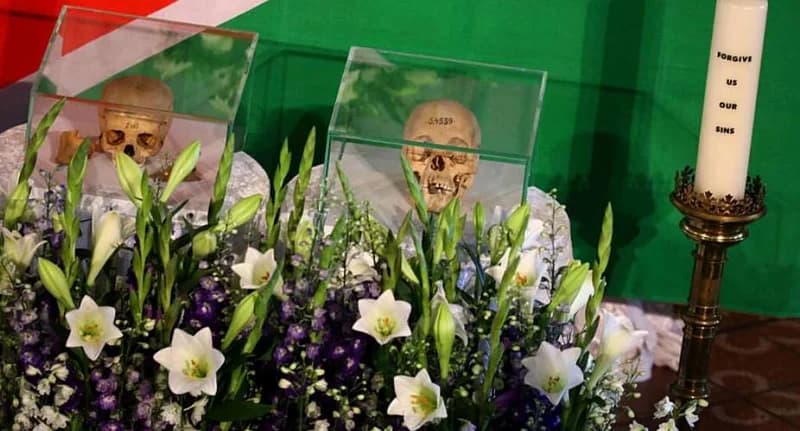
Across the African continent, significant strides are being made to restore historical dignity and protect cultural landmarks through international cooperation and restorative justice. In Namibia, the nation is preparing for the solemn reburial of independence struggle heroes Festus Nehale and Simon Niilenge at Heroes' Acre. The ceremony, scheduled for Wednesday to coincide with Heroes' Day, marks the 60th anniversary of the start of Namibia's liberation struggle against the South African apartheid regime. Simultaneously, in West Africa, Ghana has inaugurated a joint steering committee with South Korea to launch a five-year initiative dedicated to enhancing the climate resilience and preservation of the country’s heritage sites.
The return of the remains of Nehale and Niilenge, who died in 1971 and 1974 respectively, represents a landmark moment in Namibia's long-standing advocacy for the repatriation of its ancestors. Their remains were among 86 sets returned from the Iziko Museums in South Africa, where they had been held since the colonial era. South Africa's Minister of Culture, Gayton McKenzie, described the repatriation as an act of restorative justice, while Namibian officials emphasized that the return restores dignity to those who sacrificed their lives for the nation's freedom. This move follows similar successful repatriations of ancestral remains from Germany in recent years, signaling a continuing effort to heal colonial-era wounds.
In Accra, Minister for Tourism, Culture and Creative Arts, Dzifa Abla Gomashie, lead the inauguration of the Ghana-Korea Heritage Project Steering Committee to provide strategic oversight for a new conservation era. This partnership focuses on safeguarding Ghana's cultural sites through advanced climate-risk mapping, capacity building for local managers, and the provision of specialized technology and equipment. Beyond physical preservation, the project aims to foster deeper cultural exchange between Ghana and South Korea. Ms. Gomashie highlighted that the committee will ensure accountability and timely decision-making, building upon previous technical planning and training successes to protect the nation's history for future generations.
These developments in Namibia and Ghana reflect a broader continental movement toward reclaiming historical narratives and securing physical heritage against modern threats. While Namibia focuses on the spiritual and political restoration of its independence narrative, Ghana is leveraging international expertise to ensure its historical monuments can withstand the growing challenges of climate change. Together, these initiatives underscore a renewed commitment by African governments to honor the past while building resilient structures for the future, ensuring that the stories of struggle and culture remain central to the national identity.
