••
NDPC and Health Experts Urge Enhanced Nutrition and Accountability to Combat Ghana’s Rising Health Risks
•2 min read•3 sources
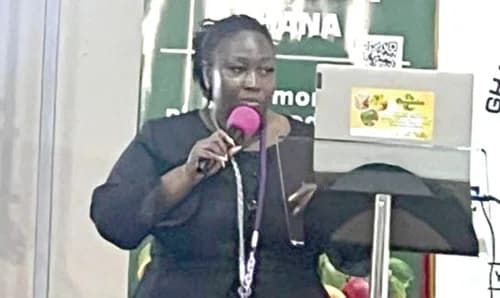
Ghana is facing a critical juncture in public health as experts call for a shift in both personal lifestyle choices and national policy to address rising rates of non-communicable diseases and malnutrition. At the heart of this movement is a push for stronger institutional accountability and a greater public awareness of the "hidden" dangers of poor nutrition. During the recent Micronutrient Forum Global Conference in Accra, leaders emphasized that treating nutrition as a central pillar of development is no longer optional but a necessity for the country's future prosperity.
Dr. Florence Koryo Akumiah, a cardiologist at the Korle Bu Teaching Hospital, has raised alarms over the growing prevalence of heart disease, which remains a silent killer in the country. According to data from the WHO Ghana STEPS survey, approximately 20% of Ghanaian adults now live with hypertension, a condition particularly prevalent among women and urban dwellers. Globally, cardiovascular diseases claim over 20 million lives annually, many of which are preventable. Dr. Akumiah points to high salt intake and low fruit consumption as primary drivers of this crisis, urging Ghanaians to adopt healthier habits such as the "Meatless Monday" initiative to mitigate these risks.
Complementing these clinical warnings is a growing body of nutritional advice highlighting the importance of local, nutrient-dense foods. Experts suggest that incorporating vegetables like sweet potatoes can significantly bolster public health. These root vegetables are rich in vitamins A and C, manganese, and antioxidants, offering protection against gut issues, inflammation, and vision loss. Specifically, purple sweet potatoes contain anthocyanins that may inhibit cancer cell growth and protect brain function, while the high beta-carotene content in other varieties is essential for maintaining a robust immune system and preventing vision loss.
Beyond individual dietary choices, structural changes are being demanded at the highest levels of governance. Dr. Audrey Smock Amoah, Director-General of the National Development Planning Commission (NDPC), has called for stronger financing and reporting mechanisms to ensure that Ghana’s nutrition commitments for women and children yield measurable results. Speaking on October 1, 2026, Dr. Amoah stressed that nutrition must be integrated into every stage of development planning. This sentiment was echoed by Dr. Charity Binka, Executive Director of WOMEC, who argued that nutrition should be viewed as a high-yield investment rather than a cost, requiring transparent accountability to ensure health outcomes improve across the nation.

