••
NCCE warns students against spreading social media disinformation
•2 min read•1 source
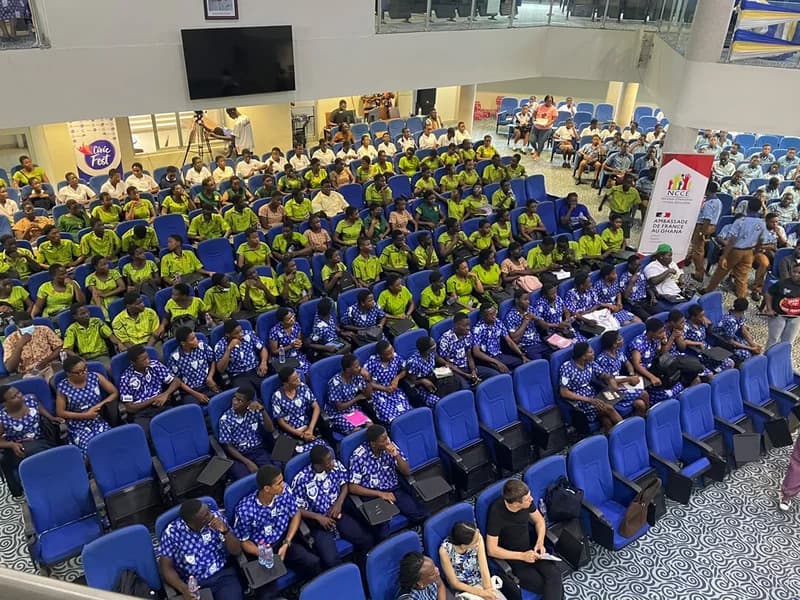
The National Commission for Civic Education (NCCE) has issued a strong appeal to Ghanaian youth to exercise high levels of responsibility when engaging with social media. Speaking during a youth media literacy program, NCCE Chairperson Kathleen Addy emphasized that the unchecked spread of disinformation and unverified content poses a significant threat to both individual emotional well-being and overall national stability. She urged students to refrain from circulating information that could damage reputations or incite social unrest, highlighting the ethical obligations of digital citizenship in the current media landscape.
The literacy program, organized in collaboration with the French Embassy, brought together students from six senior high schools to equip them with the skills needed to identify and combat fake news. Addy noted that the careless sharing of false information often leads to serious psychological distress for the victims involved. By educating the younger generation on how to verify sources before clicking the share button, the commission aims to build a more resilient public that is less susceptible to the manipulative tactics often found on digital platforms.
Marine Dolomie, representing the French Embassy, also addressed the students, pointing out that the challenge of disinformation is not unique to Ghana but is a global phenomenon. She stressed the necessity of collective action and international cooperation in fostering a safer digital environment. The program concluded that media literacy is a vital tool for safeguarding Ghana’s social fabric, ensuring that the youth remain informed contributors to national discourse rather than accidental agents of instability.