••
National Cardiothoracic Centre and Medical Experts Sound Alarm Over Ghana's Rising Cardiovascular and Hypertension Crisis
•3 min read•7 sources
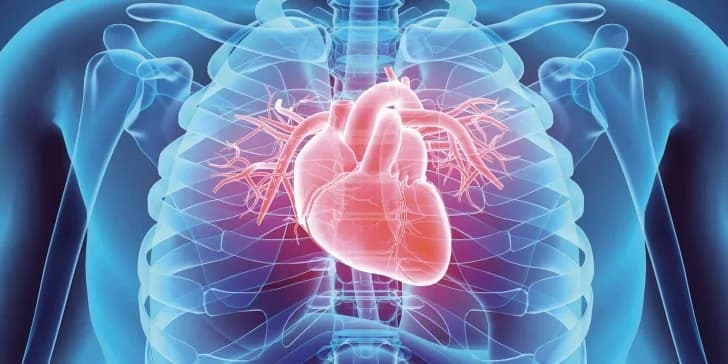
Medical experts and the National Cardiothoracic Centre (NCC) have issued a stark warning regarding a growing health crisis in Ghana, where cardiovascular diseases now account for an estimated 43% to 50% of all deaths. During the launch of World Heart Day 2026, Dr. Kow Entsua-Mensah, Director of the NCC, and Professor Alfred Doku emphasized that hypertension has become a "silent killer," often developing without noticeable symptoms until life-threatening complications arise. Current data suggests that approximately 34% of Ghanaian adults—or more than three in every ten people—may be living with the condition, many of them undiagnosed. Experts are calling for urgent public collaboration and regular health screenings to improve early detection and reduce the national mortality rate.
Dietary habits are being identified as a primary driver of these rising figures, particularly the high consumption of traditional salted fish. Dr. Albert Agbi, a Physician Specialist and Cardiologist Fellow at Korle Bu Teaching Hospital, has cautioned Ghanaians to moderate their intake of 'koobi' and 'momoni' due to their extreme sodium content, which significantly elevates blood pressure and strains the heart. While not calling for a total ban on these delicacies, Dr. Agbi recommends a shift toward the DASH or Mediterranean diets, emphasizing potassium-rich alternatives like bananas and coconut water. He also noted a concerning trend where some men avoid hypertension medication due to fears of side effects such as erectile dysfunction, further complicating management efforts.
Beyond diet, medical practitioners are highlighting the critical role of lifestyle choices, including sleep and regular eating schedules, in maintaining overall health. Dr. Emefa Klah, a General Medical Practitioner, warned that chronic sleep deprivation is a major risk factor for hypertension, recommending that adults aim for at least eight hours of rest daily to mitigate stress-induced blood pressure spikes. Simultaneously, health screenings conducted by organizations like ASA Savings and Loans Ltd in Kintampo have revealed a surge in peptic ulcer disease. Physician Assistant Maxwell Dery noted that poor habits, such as skipping meals and eating late—common among drivers and those with hectic schedules—are fueling the rise of ulcers, which can be exacerbated by spicy foods, alcohol, and carbonated drinks.
In response to these growing threats, corporate and community organizations are intensifying efforts to provide accessible healthcare services. The Graphic Communications Group Ltd (GCGL) recently received GH₵20,000 worth of medicine donations from Pharmanova Limited and Danpong Healthcare to support its annual free health screening exercise. These initiatives aim to promote early detection of chronic conditions like diabetes and hypertension while encouraging healthier lifestyle modifications. Medical professionals stress that consistent medical reviews and a proactive approach to wellness are essential to reversing the trend of preventable deaths and managing the country's collective health burden.
