••
National Theatre Honors Uncle Ebo Whyte Amid Preparations for Grace Nortey’s Funeral and Support for Emmanuel Armah
•3 min read•3 sources
Ghana’s creative arts industry has experienced a poignant season of celebration, mourning, and solidarity as the nation honors its most enduring icons. On September 29, 2026, the National Theatre in Accra hosted a prestigious recognition ceremony titled "Celebrating Our Own," where renowned playwright James Ebo Whyte, popularly known as Uncle Ebo Whyte, was presented with a Distinguished Award. This event, part of a week-long celebration, also recognized ten former employees for their long-standing contributions to theatre and dance. National Theatre Executive Director Henry Herbert Malm praised the honorees for their dedication to shaping Ghanaian culture, while Uncle Ebo Whyte reciprocated the honor by pledging lifetime tickets to his shows for his fellow honorees.
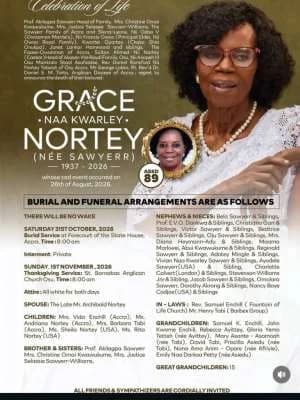
While the industry celebrates living legends, preparations are also underway to bid a final farewell to veteran actress Grace Naa Kwarley Nortey, who passed away on August 26, 2026, at the age of 89. Her family has announced that a burial and funeral service will be held on October 31, 2026, at the forecourt of the State House in Accra. In accordance with her legacy of grace, there will be no wake, and the ceremony will begin at 8:00 AM followed by a private interment. A thanksgiving service is scheduled for the following day, November 1, at St Barnabas Anglican Church in Osu, where attendees have been requested to wear white attire to celebrate her long and impactful life.
In a further display of industry solidarity, veteran Nigerian actor Pete Edochie recently visited Ghana to offer support to his colleague, Emmanuel Armah, who is currently battling significant health challenges. Armah has been struggling with the debilitating effects of a stroke that has severely impaired his speech and mobility. During the visit, Edochie provided financial assistance to aid in Armah’s daily care and used the platform to urge the public and the film community to keep the veteran actor in their prayers. Edochie’s gesture underscores the deep-rooted collaboration between the Ghanaian and Nigerian film industries and highlights the precarious situation many veteran performers face when confronted with health crises.
These concurrent events reflect the multifaceted nature of the Ghanaian entertainment landscape: a community that is simultaneously institutionalizing its history, mourning its pioneers, and rallying around its vulnerable members. The recognition of Uncle Ebo Whyte and the late Grace Nortey serves as a reminder of the cultural wealth these individuals have provided the nation, while the plight of Emmanuel Armah brings to the forefront the ongoing discussions regarding welfare and support systems for aging creatives who have dedicated their lives to the arts.


