••
National Ambulance Service Maintains 300-Case Daily Response Rate Amidst Fleet Maintenance Challenges
•2 min read•1 source
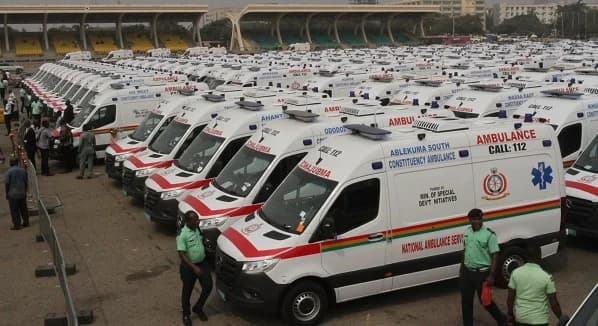
The National Ambulance Service (NAS) has reaffirmed its commitment to providing critical emergency medical care across Ghana, reporting that it continues to handle over 300 emergency cases daily. Despite navigating significant logistical hurdles and fleet maintenance issues, the Service maintains operations across all 16 regions on a 24/7 basis. This assertion comes as the NAS seeks to clarify its operational capacity and address public concerns regarding the availability of functioning vehicles in various districts.
Central to the current operational landscape are the 307 ambulances procured in January 2020. While these vehicles remain the backbone of the service, the NAS management acknowledged that a portion of the fleet is currently grounded. These service interruptions are primarily attributed to mechanical wear-and-tear, road accidents, or delays in securing necessary repairs. The management’s statement followed an investigative report by GHOne TV, which highlighted several non-functional units. The NAS clarified that while some vehicles are indeed off the road, the majority remain active and are serving the Ghanaian public.
To address these maintenance gaps, the NAS is actively collaborating with the Ministry of Health to streamline the procurement of essential spare parts. This partnership aims to expedite the turnaround time for grounded vehicles, ensuring that the specialized fleet is returned to service as quickly as possible. Beyond mechanical upkeep, the Service is also focusing on human resource development, enhancing training programs for Emergency Medical Technicians (EMTs) to improve the quality of pre-hospital care provided during transit.
Looking forward, the NAS emphasized its dedication to transparency and its role as a vital component of the national health infrastructure. By maintaining the 112 emergency number and striving for operational efficiency, the Service aims to bridge the gap between emergency incidents and hospital treatment. As the government continues to evaluate the needs of the health sector, the NAS remains a focal point for ensuring that emergency medical services are accessible to all citizens, regardless of their location within the 16 regions.