••
Nanton Zuo Community Remains Reliant on Contaminated Water After Failed Clean Water Initiatives
•2 min read•1 source
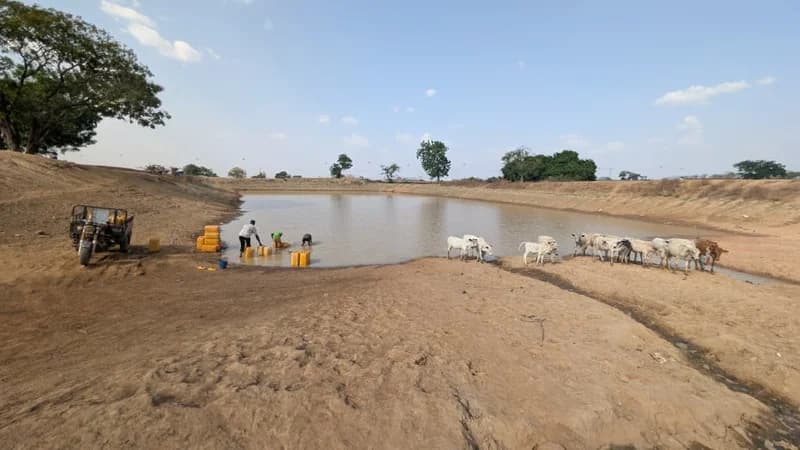
More than a year after a JoyNews investigation exposed severe contamination levels in the local water supply, the residents of Nanton Zuo remain trapped in a cycle of health risks, continuing to drink from a dam that fails safety standards. Despite various efforts to locate alternative water sources, the community remains without a safe, reliable supply. Multiple attempts to drill boreholes have ended in frustration, with some yielding no water and others producing water deemed entirely unsuitable for human consumption.
The water crisis has reached a critical point as the local population continues to grow, putting additional strain on the already inadequate and polluted dam. Community leaders have emphasized that while increasing the water volume through rehabilitation is necessary, the paramount concern remains the safety of the water itself. The failure of recent technical interventions has left the community frustrated and vulnerable to waterborne diseases, a reality they have endured since the initial safety revelations more than twelve months ago.
While a proposed rehabilitation of the existing dam aims to expand its capacity and potentially reduce contamination levels, many in Nanton Zuo are skeptical of the outcome. Their doubt is fueled by the fact that a larger, regional water project, which was promised to provide a sustainable long-term solution, remains stalled with no clear timeline for completion. This lack of progress on a broader scale has led to a breakdown in trust between the community and the authorities responsible for infrastructure development.
The situation in Nanton Zuo serves as a stark reminder of the infrastructure challenges facing many rural communities in Ghana. Without immediate intervention to either secure a new source or effectively treat the current dam's output, the health of thousands remains at risk. As the nation moves forward under the administration of President John Mahama, the residents of Nanton Zuo continue to wait for the fulfillment of promises that would grant them the basic human right to clean, safe drinking water.
Related topic
John Mahama: Latest News & Updates →