••
NALAG proposes direct election of MMDCEs to Constitutional Review Committee
•2 min read•3 sources
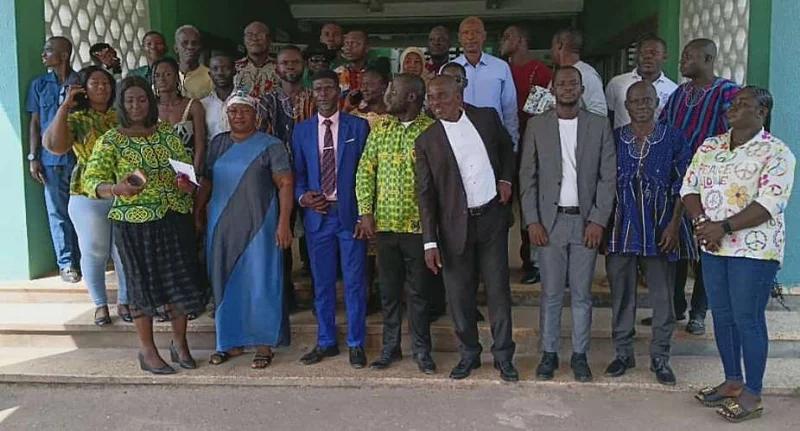
The National Association of Local Authorities of Ghana (NALAG) has proposed significant reforms to the local government structure, advocating for the direct election of Metropolitan, Municipal, and District Chief Executives (MMDCEs). These proposals, presented to the Constitutional Review Committee during the 2026 Regional Delegates Conference, aim to deepen Ghana's decentralization process and ensure that local leaders are directly accountable to the people they serve. NALAG President Alfred Asiedu Adjei emphasized that such a transition is essential for effective national development and improved public service delivery at the community level.
In addition to the direct election of MMDCEs, the association has recommended redesignating the office as "Mayor" to align with international local governance standards. NALAG is also pushing for structural changes to the office of the Presiding Member, including extending their tenure to four years to match the national electoral cycle. The proposal suggests that Presiding Members should be elected by a simple majority instead of the current two-thirds requirement, with their salaries drawn from the Consolidated Fund to enhance their independence and operational efficiency.
During the conference in the Volta Region, Council of State member Gabriel Tanko Kwamega-Atokple called on local authorities to ensure that central government funds translate into tangible community development. He urged assemblies to focus on transparency and leverage performance-based funding to improve local economic opportunities. Mr. Kwamega-Atokple noted that the impact of local governance is measured by visible improvements in living conditions, and he encouraged assembly members to prioritize collective regional interests when making decisions for their constituents.
Mr. Adjei further highlighted NALAG's ongoing commitment to local welfare and education, noting the distribution of 320,000 exercise books to pupils across various districts. He also expressed appreciation for the government's recent payment of salary arrears to assembly members, describing it as a vital step in supporting local representatives. These infrastructure and social interventions, supported by initiatives like PMI-WILL, are intended to bolster the capacity of local authorities as they advocate for the democratic reforms necessary to modernize Ghana's local government system.
