••
NADMO and GMet urge religious leaders to lead El Niño preparedness
•2 min read•2 sources
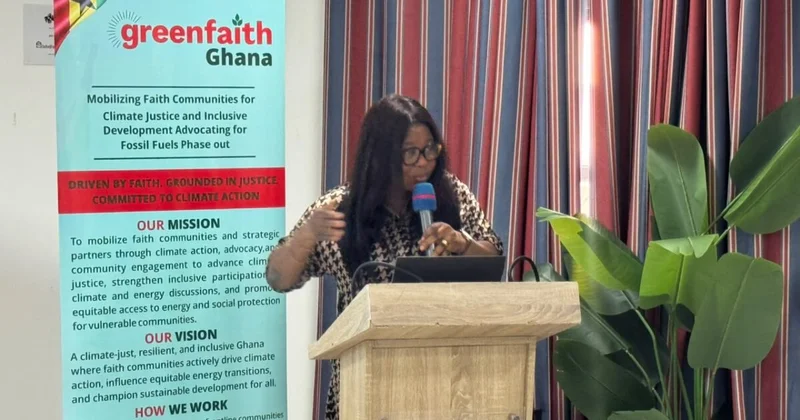
The National Disaster Management Organisation (NADMO) and the Ghana Meteorological Agency (GMet) have jointly called on religious institutions to spearhead community education and preparedness efforts as the El Niño weather phenomenon intensifies. Speaking at a breakfast meeting organised by GreenFaith Ghana, officials emphasized that places of worship are uniquely positioned to communicate critical weather warnings and coordinate assistance for vulnerable populations. The initiative, titled ‘Strengthening the Capacities of Religious Leaders and Places of Worship to Anticipate, Prepare for, and Respond to the Risks Posed by the Current El Nio Event,’ seeks to integrate faith-based organisations into national climate-risk strategies.
GMet Deputy Director Francisca Martey warned that the current El Nio event is expected to be particularly strong, leading to significantly hotter and drier conditions across Ghana. These environmental shifts pose substantial risks to the country’s agriculture, water resources, public health, and infrastructure. Martey highlighted the necessity of a collective approach, urging churches and mosques to use their platforms to disseminate scientific data in a way that is accessible to their congregations. She also proposed the establishment of a national El Nio task force to streamline disaster preparedness and response efforts.
Supporting this call, NADMO Deputy Director Esenam Adzo Norgey Apawu underscored the influential role religious leaders play in the daily lives of Ghanaian families. She noted that because faith leaders command high levels of trust, they are essential partners in delivering early warning messages that can prompt proactive measures at the household level. The outreach is especially critical for communities in northern Ghana, where the impacts of prolonged dry spells are often most severe. By incorporating disaster management into their regular activities, NADMO believes religious institutions can significantly reduce the potential for loss of livelihoods and health crises during the coming months.