••
NACOC arrests three foreign nationals over 46.7kg cocaine seizure in Beirut
•2 min read•6 sources
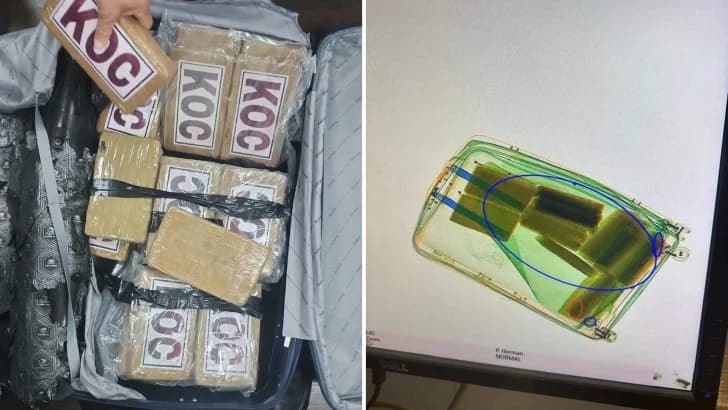
The Narcotics Control Commission (NACOC) has arrested three foreign nationals in Ghana following the record-breaking seizure of 46.7 kilograms of cocaine at Lebanon’s Rafic Hariri International Airport. The suspects, identified as Syrian, Tunisian, and Lebanese nationals, were apprehended as part of an investigation into a drug shipment that originated from Accra. While Lebanese authorities reported this as the largest drug bust in the airport's history, NACOC officials maintain the incident was a "controlled delivery" operation conducted in coordination with international partners to dismantle a transnational criminal network.
However, the official explanation has faced sharp criticism from civil society and security analysts. Kofi Bentil, Vice-President of IMANI Africa, has alleged a coordinated conspiracy at Kotoka International Airport (KIA) that allows illicit drugs to bypass standard scrutiny. Citing anonymous sources, Bentil claimed that security personnel from Customs, NACOC, and the police facilitate the movement of narcotics by loading suitcases directly onto aircraft on the tarmac. He further alleged that a "code phrase" is used to signal safe passage for these items, suggesting that Ghana has become a major transit hub due to internal complicity.
Demands for accountability have intensified following these revelations, with Adib Saani, Executive Director of the JATIKAY Centre, calling for the immediate dismissal of the NACOC leadership. Saani argued that the escape of such a significant quantity of cocaine from Ghana’s primary airport indicates a systemic failure in drug enforcement protocols. Similarly, former Sekondi MP Andrew Egyapa Mercer questioned the validity of the "controlled delivery" claim, pointing out that if authorities were tracking the shipment, arrests should have occurred before the drugs left the country. Mercer urged the public to demand transparency, noting that the shipment's departure suggests a significant lapse in oversight.
As NACOC continues its investigation into local accomplices, the controversy has raised broader concerns about the integrity of Ghana’s border security. The commission has stated that it is working to identify all individuals involved in the trafficking ring, but the unverified allegations of high-level involvement have prompted calls for an independent overhaul of the nation's anti-narcotics strategies. The fallout from the Beirut seizure continues to put pressure on the current administration to ensure that international gateways are not exploited by criminal syndicates.
myjoyonline.com
PrimarynewsLebanon cocaine bust: Three foreign nationals arrested in Ghana
ghanaweb.com
newsCocaine Bust: IMANI's Kofi Bentil shares Beirut source's account; alleges Ghana airport conspiracy
classfmonline.com
newsBeirut Cocaine Arrest: ‘Govt is deeply involved’ - Kofi Bentil reveals
modernghana.com
news‘Govt deeply involved in Beirut cocaine bust’ — Kofi Bentil reveals
ghanaweb.com
newsAdib Saani demands dismissal of NACOC boss over Lebanon cocaine bust
modernghana.com
newsLebanon cocaine bust: ‘Don’t be fooled by NACOC’s controlled delivery explanation’ – Egyapa Mercer