••
NaCCA and Confucius Institute Train Teachers on Chinese Curriculum Amid Policy Debates
•2 min read•6 sources
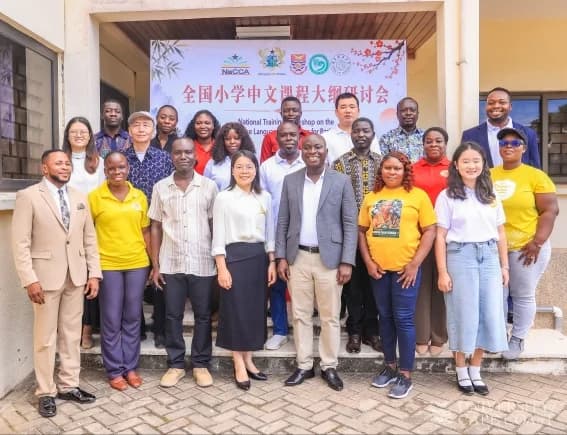
The National Council for Curriculum and Assessment (NaCCA) has collaborated with the Confucius Institute at the University of Cape Coast (UCC) to launch a national training workshop aimed at implementing a new Chinese language curriculum for basic schools. The initiative seeks to equip teachers with specialized pedagogical strategies and practical skills, preparing Ghanaian students for a globalized world through enhanced language proficiency and cultural exchange. Dr. Eric Amoah, Deputy Director of NaCCA, underscored the importance of the program, urging participating teachers to serve as 'ambassadors of change' in fostering global citizenship among their learners.
The training program was structured into six comprehensive sessions that focused on the curriculum's philosophy, content structure, and assessment methodologies. A significant emphasis was placed on 'collaborative instruction,' where teachers were encouraged to integrate Ghanaian local languages into their Chinese lessons to create a more relatable and effective learning environment. Beyond classroom tactics, the workshop highlighted the necessity of building strong school-parent-teacher partnerships to ensure the long-term success of the language program within the Ghanaian educational framework.
Despite the progress of these training sessions, the initiative has recently encountered policy hurdles and public scrutiny. President John Dramani Mahama has reportedly questioned the immediate implementation of a nationwide Chinese curriculum, stating that such a policy had not received formal Cabinet approval. The President expressed concerns regarding the feasibility of introducing Chinese as a standard subject while the country continues to grapple with challenges in the instruction of French, which remains a key regional language. These conflicting signals from the Presidency and NaCCA have raised questions about whether the current rollout is a specific pilot program or if there is a lack of alignment in national education priorities.
While the government and education officials navigate these policy inconsistencies, the workshop has provided a platform for educators to apply new teaching methodologies practically. Moving forward, the success of the Chinese language curriculum will likely depend on formalizing its status within the national education policy and addressing the logistical concerns raised by the Presidency. For now, the trained teachers are expected to begin integrating these new skills into their schools, acting as the frontline for this international educational partnership.
