••
NaCCA approves Jimmy Aglah’s novel for junior and senior high schools
•2 min read•1 source
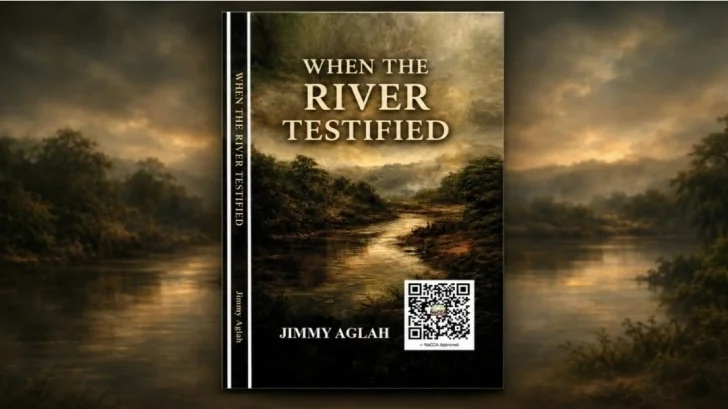
The National Council for Curriculum and Assessment (NaCCA) has officially endorsed the novel "When the River Testified" by Ghanaian author Jimmy Aglah as supplementary reading material for Junior High Schools (JHS) and Senior High Schools (SHS). This approval marks a significant step in integrating environmental education into the national curriculum, specifically targeting the devastating impact of illegal mining, popularly known as galamsey. The novel is intended to serve as a pedagogical tool to sensitize students to the ecological crises currently facing Ghana through a narrative-driven approach.
Set in the fictional town of Asempa Nkwanta, the novel follows the investigative journey of journalist Kofi Densu. Through Densu’s eyes, readers witness the unraveling of severe health and environmental disasters caused by water pollution and land degradation. By utilizing fiction, Jimmy Aglah aims to humanize the statistics of the galamsey crisis, encouraging young readers to engage with the realities of environmental destruction. The narrative structure is designed to foster critical thinking, prompting students to question the socio-economic drivers and consequences of unregulated resource extraction.
The endorsement by NaCCA highlights the book's alignment with Ghana’s broader educational objectives and the United Nations’ Sustainable Development Goals (SDGs). By introducing these themes in a literary format, the educational body hopes to nurture a generation of responsible citizens who prioritize environmental stewardship. Aglah’s work moves beyond traditional textbook instruction, offering an immersive experience that links classroom learning to national challenges. This approach is seen as a vital component of the fight against environmental degradation, focusing on character building and civic responsibility among the youth.
Following the official approval, the focus now shifts to the large-scale publication and distribution of the novel to educational institutions across the country. Aglah has expressed his commitment to ensuring that the book reaches a wide audience of students to maximize its impact on national consciousness. As the novel enters classrooms, it is expected to serve as a catalyst for discussions on sustainable mining practices and the preservation of Ghana’s natural resources for future generations.