••
Nabdam groundnut farmers struggle to harvest crops as soil hardens
•2 min read•1 source
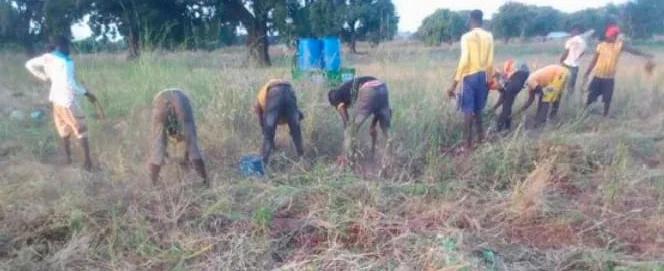
Groundnut farmers in the Nabdam District of the Upper East Region are facing a critical harvest crisis as a prolonged dry spell has left the soil too hard to cultivate. While the planting season initially showed great promise with healthy crop yields, the lack of late-season rainfall has turned the earth into a compact mass. This environmental shift is making it nearly impossible for farmers to retrieve mature pods from the ground without significant damage or total loss of the produce.
The environmental challenge has triggered a sharp rise in production costs for local producers who are desperate to save their yields. Farmers like Goubagre Sampana report that they are now forced to hire additional laborers at a daily rate of GH₵70 to manually dig out the groundnuts, a task that is typically far less labor-intensive when the soil is moist. In some instances, farmers are even being forced to purchase water to manually soften the ground before harvesting can begin, further draining their limited financial resources and erasing expected profit margins.
Beyond the immediate labor and water costs, the delay in harvesting poses a severe threat to the physical security of the crops. Farmers expressed deep concern that as the groundnuts remain trapped in the hardened earth, they become increasingly vulnerable to roaming animals and pests. With their entire season’s investment currently stuck in the ground, many families in the Nabdam District fear that the continued absence of rain will lead to significant financial ruin and jeopardize their food security for the coming year.

