••
Paramount Chief Naa Di-Naa Donlabong III Launches Anwelle Foundation to Drive Local Development in Jirapa
•2 min read•1 source
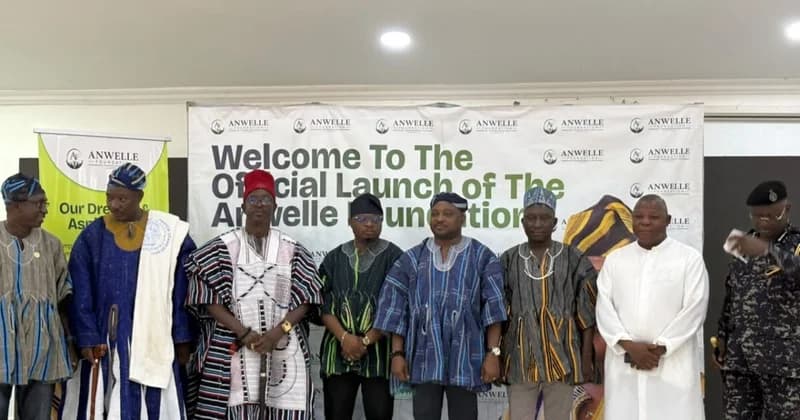
Naa Di-Naa Donlabong III, the Paramount Chief of Jirapa, has called for a paradigm shift in national development, asserting that progress must begin at the local level rather than being solely dependent on the central government in Accra. Speaking at the official launch of the Anwelle Foundation in the Upper West Region, the traditional leader challenged residents—particularly those living abroad—to invest their resources, expertise, and networks back into their home community. The foundation's emergence marks a significant grassroots effort to bridge resource gaps and foster self-reliance in one of Ghana’s northern districts.
The Anwelle Foundation is the brainchild of CEO Frank Anwelle, who established the charity to address the systemic lack of information and financial support facing talented youth in rural areas. Having experienced these hurdles personally, Anwelle shared an inspirational journey focused on creating accessible educational and economic opportunities. The foundation's core mission centers on tackling the interconnected challenges of poverty, youth unemployment, and inadequate educational infrastructure. By focusing on local action, the organization aims to empower the youth to become drivers of change within their own surroundings.
Despite its recent official launch, the foundation has already implemented several critical interventions. These include providing immediate relief and support to students affected by a devastating dormitory fire and donating resources for vocational training. Looking ahead, the foundation plans to launch an ambitious automotive apprenticeship program designed to create sustainable employment pathways for young people in Jirapa. This initiative reflects a broader strategy to equip the local workforce with practical skills that match current economic demands.
The launch event drew support from various local and international stakeholders, including the Upper West Regional Minister, who emphasized the importance of sustainable collaboration. Government officials and community leaders underscored that while the state has its role, the sustainability of rural development often hinges on private-public partnerships and the commitment of the diaspora. By urging realistic expectations and focused impact, the foundation and its supporters hope to create a replicable model of community-led development that reduces the historical reliance on the capital city for growth.