••
Elon Musk questions Mukesh Ambani's influence over Starlink's India entry
•2 min read•1 source
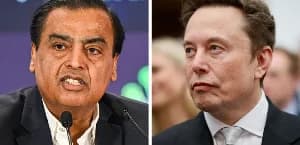
Billionaire Elon Musk has publicly raised concerns regarding the influence of Mukesh Ambani over the regulatory landscape in India as Starlink seeks to launch its satellite internet services in the country. Musk's comments highlight potential barriers created by powerful domestic business interests that may be hindering the entry of the satellite internet provider into the Indian market. The concerns specifically point toward Mukesh Ambani’s Reliance Industries, which owns the major mobile network provider, Jio.
As Starlink attempts to navigate the approval process to provide services in India, there have been accusations that established local entities are working to block the competition. This friction comes as Starlink faces significant challenges in securing the necessary licenses to operate within the country’s borders. The rivalry between the two billionaires underscores the complexities of entering the Indian telecommunications sector, which is currently dominated by entrenched domestic players.
Reliance’s Jio currently holds a leading position in the market, and Musk’s public questioning of Ambani’s influence suggests a belief that the regulatory hurdles are not merely procedural. Instead, they are framed as a concerted effort by established interests to maintain market control and prevent disruptive new technologies from gaining a foothold. The outcome of this dispute will determine how quickly satellite internet technology becomes available to Indian consumers.
For now, the public exchange between Musk and the interests linked to Ambani highlights the significant tension between global tech expansion and established national business leaders. As Starlink continues its push for approval, the debate over corporate influence in Indian policy remains at the forefront of the technology sector's expansion into the region.
