••
Murat Kurum opens COP31 climate summit with call for actionable policies
•2 min read•1 source
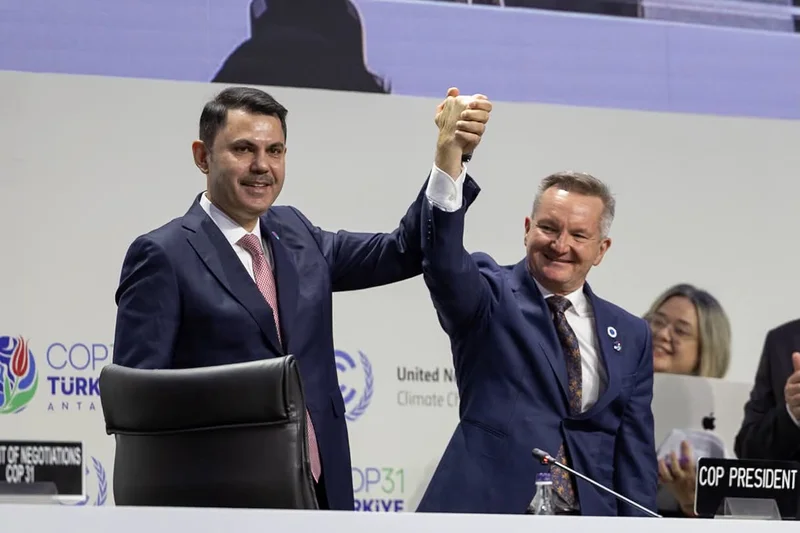
COP31 President Murat Kurum officially opened the global climate summit in Antalya, Türkiye, with a stern call for participating nations to move beyond rhetoric and deliver concrete results. Framing the gathering as the "Implementation COP," Kurum emphasized the urgent need to translate long-standing climate commitments into actionable policies that bridge the gap between international promises and real-world impacts. He highlighted that the climate crisis is no longer an isolated environmental issue but is deeply interconnected with global challenges such as regional conflicts and food insecurity.
Central to the summit's agenda are several major initiatives designed to provide tangible support to developing regions. Key among these is a new goal to deliver GH¢300 billion in annual climate finance to developing nations by 2035. Additionally, the summit saw the launch of the 35-by-35 Global Electrification Pledge, which aims to accelerate energy access across the globe. These initiatives are intended to provide the necessary resources for nations that are most vulnerable to the shifting climate but have the least infrastructure to adapt.
The opening sessions also introduced the Antalya Initiative for Resilient Health Systems, a program specifically designed to address the growing health risks posed by climate change. As the summit progresses, the focus of Ghanaian and African observers remains on whether these financial and policy targets will be met with the speed required. For vulnerable communities in Ghana, the success of COP31 will be measured by how effectively these international pledges translate into local support for climate resilience and sustainable development.