••
Interior Minister Muntaka and Security Experts Call for Structural Reforms to Safeguard Ghana's Democratic Stability
•3 min read•5 sources
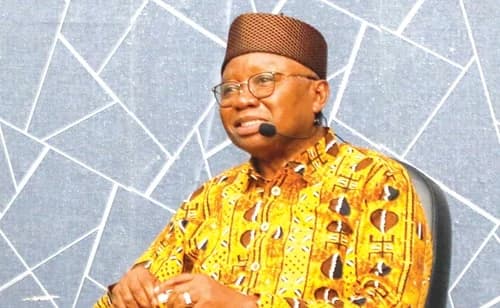
High-ranking officials within the President John Mahama administration and national security experts have issued a series of warnings regarding the evolving threats to Ghana's democratic stability, ranging from political vigilantism to the glorification of unexplained wealth. Interior Minister Mohammed Mubarak Muntaka recently raised concerns about a growing societal trend where financial status is prioritized over integrity and education. Speaking on the impact this has on the youth, Muntaka cautioned that the reverence of individuals with unexplained wealth undermines national values and encourages shortcuts to success. He urged religious and community leaders to actively combat this trend by promoting upright values and emphasizing the importance of skill-building over material acquisition.
Adding to the discourse on internal security, former National Security Minister Kofi Totobi Quakyi warned that inaction against political vigilantism could trigger a dangerous cycle of reprisals. During a national policy dialogue, Quakyi suggested that the Vigilantism and Related Offences Act, 2019 (Act 999) requires reevaluation, as many vigilante groups may have simply rebranded rather than disbanded. This sentiment was echoed by Nana Attobrah Quaicoe, a former Director General of the Bureau of National Intelligence, who argued that Ghana’s intelligence services must shift from a "backward-looking" culture of incident reporting to a "forward-looking" analytical approach. Quaicoe emphasized that predicting future threats such as organized crime and terror is essential for effective national decision-making.
On the front of information integrity, the Mahama administration has positioned media freedom as a core component of its security strategy. Presidential Spokesman and Minister of State Felix Kwakye Ofosu emphasized that a free and responsible press is a tool for maintaining stability and preventing public unrest. Speaking to private and online news publishers, Ofosu called for a collaborative relationship between the media and security agencies to ensure accurate communication during crises. This call for media responsibility aligns with warnings from the National Commission for Civic Education (NCCE), where Chairperson Kathleen Addy highlighted the grave threat posed by deepfakes and misinformation. Both the NCCE and Speaker of Parliament Alban Bagbin have called for deeper collaboration to help citizens distinguish fact from falsehood in an increasingly digital landscape.
Collectively, these developments point to a critical juncture for Ghana’s internal security and social fabric. While the government advocates for media cooperation and stronger civic education to combat disinformation, security experts maintain that legislative and structural reforms—specifically regarding the enforcement of Act 999 and the modernization of intelligence gathering—are overdue. As the Mahama administration moves forward, the synergy between maintaining media freedom, curbing political violence, and restoring social values will be vital in preserving the nation's long-term democratic resilience.
Related topic
John Mahama: Latest News & Updates →

