••
Interior Minister Muntaka Announces Seizure of 8,500kg Narcotics and 45.4 Million Tramadol Tablets in Major Drug Crackdown
•2 min read•2 sources
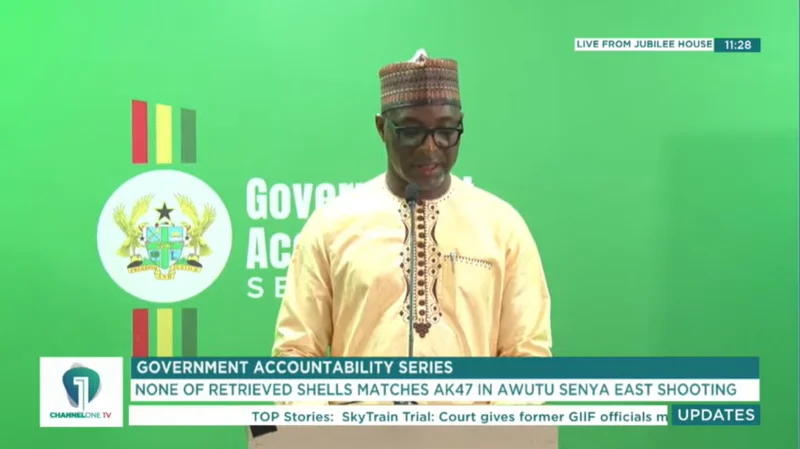
Interior Minister Mohammed Mubarak Muntaka has revealed that Ghana's Narcotics Control Commission (NACOC) has successfully seized over 8,500 kilograms of narcotic drugs and intercepted approximately 45.4 million tramadol tablets over the past 20 months. Speaking at the Government Accountability Series on August 24, 2026, the Minister highlighted these achievements as a testament to the government's intensified efforts to combat illicit drug trafficking and protect the nation's youth. The scale of these seizures underscores the persistent challenge of the drug trade while demonstrating the increased vigilance and operational capacity of Ghana’s law enforcement agencies.
Beyond the physical removal of drugs from the streets, the government’s strategy has pivoted toward dismantling the financial infrastructure of trafficking syndicates. During the same 20-month period, authorities carried out 217 arrests leading to 165 successful prosecutions. Minister Muntaka detailed that the crackdown extended to assets, with the state recovering 73 properties and 19 kilograms of gold. Furthermore, financial assets totaling approximately GH¢6.9 million and US$440,000 have been restrained, hitting traffickers where it hurts most and disrupting their ability to reinvest in illicit activities.
To complement these enforcement actions, NACOC has placed a heavy emphasis on prevention through public sensitization. The Commission conducted nearly 2,000 educational sessions nationwide, targeting schools, community centers, and various public institutions to raise awareness about the dangers of substance abuse. These initiatives are designed to reduce demand and provide the public with the tools to identify and resist the lure of narcotics. This dual-track approach—combining aggressive interdiction with proactive education—forms the cornerstone of the national strategy to address the drug epidemic.
Despite these successes in enforcement and education, Minister Muntaka identified a critical deficiency in the country's response to drug abuse: the lack of state-owned rehabilitation facilities. While the government has excelled at arresting traffickers and seizing contraband, the Minister acknowledged that the absence of public recovery centers creates a significant gap in providing support for those struggling with addiction. Addressing this shortfall remains a priority for the government as it looks to build a more holistic healthcare and justice framework that not only punishes crime but also facilitates the recovery and reintegration of substance users.
Live rates
Ghana gold price →