••
Mubarak Mohammed Muntaka decries $20m reward demand for drug intelligence
•2 min read•5 sources
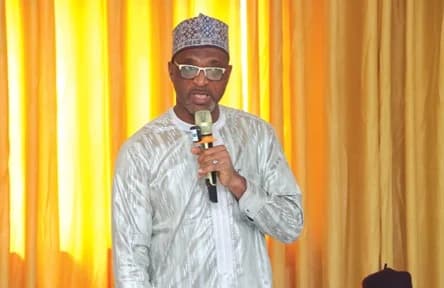
The Minister for the Interior, Mubarak Mohammed Muntaka, has appealed to the public to provide law enforcement agencies with credible intelligence without imposing exorbitant financial demands. Speaking on Joy FM, the Minister revealed a staggering instance where an informant requested US$20 million from the Director-General of the Narcotics Control Commission (NACOC) in exchange for information regarding a significant drug consignment. He described such demands as unreasonable and a major hindrance to the state's efforts to combat organized crime, noting that the requested amount is far beyond the commission's available budget.
While the Minister emphasized the government’s willingness to compensate reliable informants for their assistance, he clarified that payouts must remain within the nation's financial realities. He assured prospective whistleblowers that the state would provide necessary support, including transportation and personal security, for those offering genuine intelligence. According to the Minister, high financial expectations often complicate the response to drug trafficking operations, particularly those involving South American cartels that use West Africa as a transit point for their activities.
To further safeguard the integrity of security operations, the Interior Ministry plans to introduce polygraph testing for personnel selected for sensitive assignments. This measure is intended to address concerns regarding suspected leaks of operational information and insider threats that may compromise investigations. Minister Muntaka highlighted that improved supervision, better training, and the regular rotation of officers on sensitive duties are essential components of the government's strategy to maintain the trust of international security partners.
Despite the challenges posed by financial demands and internal security risks, the Minister reported significant progress in Ghana’s anti-narcotics drive. Over the past 20 months, security agencies have recorded 28 drug seizures, including 11 high-profile cocaine cases. Moving forward, the government intends to enhance security checks at major entry points, particularly airports, while fostering deeper cooperation with international authorities to effectively disrupt trafficking networks across the region.