••
MT Asharami Ghana Vessel Arrives to Bolster National LPG Supply and Clean Cooking Initiatives
•2 min read•1 source
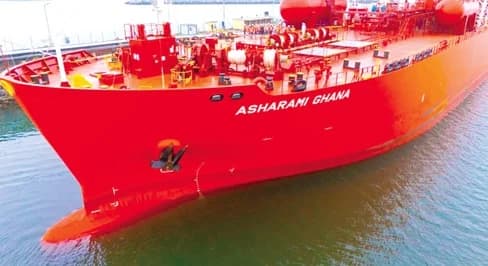
Ghana’s energy infrastructure has received a significant boost with the arrival of the MT Asharami Ghana, a state-of-the-art 40,000-cubic-metre Liquefied Petroleum Gas (LPG) carrier. The vessel successfully completed its maiden voyage, delivering an initial 5,000 tonnes of LPG to the country. This arrival marks a strategic milestone in Sahara Group’s ongoing investment in Ghana’s energy sector, aimed at enhancing the reliability of fuel supplies for both domestic and commercial consumers. The deployment of the carrier is expected to play a critical role in stabilizing the local LPG market and ensuring consistent availability across the nation.
The official welcoming ceremony for the vessel was attended by key government figures, including Energy Minister Dr. John Abdulai Jinapor and senior officials from the National Petroleum Authority (NPA). During the event, the Minister emphasized the importance of private-sector partnerships in achieving national energy goals. The MT Asharami Ghana is not merely a logistical asset but a symbol of the collaboration required to modernize Ghana's energy value chain. By increasing the volume of LPG that can be efficiently transported and discharged, the government and its partners hope to reduce supply bottlenecks that have historically affected the market.
This initiative is central to the government’s broader energy transition strategy, which aims to increase LPG access to 50% of the population by 2030. By promoting LPG as a primary energy source, the administration seeks to move households away from traditional fuels such as charcoal and wood, which contribute to deforestation and respiratory health issues. Officials at the NPA noted that the increased storage and transport capacity provided by Sahara Group’s investment will be instrumental in making clean cooking solutions more affordable and accessible to the average Ghanaian.
Looking ahead, the arrival of the MT Asharami Ghana sets the stage for further infrastructure developments designed to secure Ghana's energy future. As the country strives toward its 2030 targets, the focus remains on building a resilient energy sector that supports economic growth and environmental sustainability. The government has reiterated its commitment to fostering a favorable investment climate for energy companies, ensuring that the infrastructure needed to support a modern, gas-driven economy continues to expand in the coming years.


