••
MSF Warns Sudan’s Healthcare System Is On the Brink of Total Collapse Due to Dwindling Aid and Escalating War
•2 min read•1 source
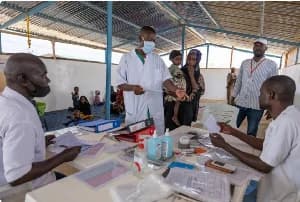
Sudan’s healthcare infrastructure is teetering on the edge of total collapse as the country’s brutal civil conflict continues to escalate. Doctors Without Borders (MSF) has issued an urgent warning, highlighting that millions of Sudanese citizens are being systematically cut off from essential, life-saving medical services. This humanitarian crisis is being driven by a lethal combination of dwindling international aid funding and the persistent spread of violence across various regions of the country.
According to reports from MSF, the sharp decline in global financial support has left many medical facilities unable to sustain their operations. As these centers close, the remaining few are forced to handle an overwhelming influx of patients, often without the necessary staff, equipment, or medicines. This pressure is compounded by mass displacement, which has forced millions of people into overcrowded areas where medical resources were already sparse, further stretching an already fragile network.
The situation is particularly dire for those in conflict-heavy regions, where escalating violence makes it nearly impossible for humanitarian organizations to deliver aid or for civilians to safely reach a doctor. MSF notes that the reduction in international attention and funding is effectively abandoning millions to a fate of untreated injuries and preventable diseases. The collapse of the system signifies not just a loss of medical care, but a profound failure of the international humanitarian response to one of the world's most severe conflicts.
As the war-torn nation faces this mounting catastrophe, the call for immediate intervention has never been louder. Humanitarian experts warn that without a significant and rapid infusion of international aid, alongside guarantees for the safety of medical personnel and facilities, the healthcare system will fail completely. Such a collapse would result in an unprecedented loss of life and a long-term public health crisis that could destabilize the entire region for years to come.