••
Médecins Sans Frontières says $700m in Ebola funds are unaccounted for
•2 min read•2 sources
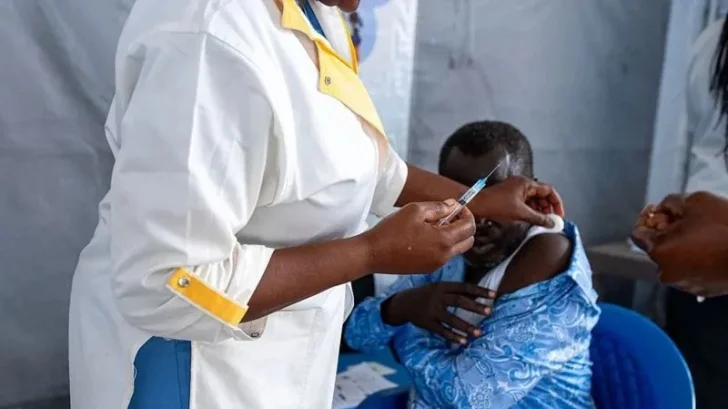
Médecins Sans Frontières (MSF) has issued a stark warning regarding the mismanagement of funds intended to combat a deadly Ebola outbreak in the Democratic Republic of Congo (DRC). According to a report by the medical charity and data from the Africa CDC, approximately $700 million of the $962 million allocated for the response remains unaccounted for. The financial discrepancy comes as the outbreak, which began in May, has already claimed more than 5,400 lives and infected over 11,000 people, marking it as the second-deadliest Ebola crisis on record.
The lack of transparency is having a direct and devastating impact on frontline efforts to contain the virus. MSF reports that health workers in high-risk areas like North Kivu and Haut-Uélé are currently working without pay or proper training. Essential medical supplies are critically scarce, and even basic logistics have been compromised, with ambulances reportedly grounded due to a lack of fuel. The charity noted that without these fundamental resources, under-resourced regions are rapidly becoming new transmission centers for the disease.
The situation is further complicated by the nature of the virus itself and its regional spread. There is currently no approved vaccine for the Bundibugyo strain driving this outbreak, which has now crossed borders into Kenya, Uganda, and Nigeria. This regional expansion, coupled with ongoing conflict in the DRC and a severe food crisis affecting nearly 10 million people, has created a humanitarian catastrophe that threatens to overwhelm existing response mechanisms.
In response to these findings, MSF is calling for urgent oversight and transparency from both the Congolese government and international UN agencies. The charity emphasizes that without a rigorous monitoring system to ensure that disbursed funds reach the ground, the epidemic will continue to spiral out of control. Increased accountability is deemed vital to restore the functionality of the health system and to protect both medical staff and the vulnerable populations they serve.
