••
MrBeast, MTN Ghana, and World Vision Launch Multi-Million Dollar Philanthropic and Development Projects
•2 min read•4 sources
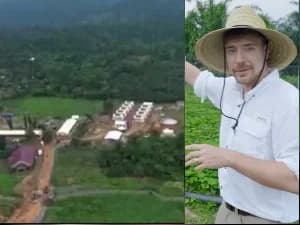
Major philanthropic and corporate investments are reshaping social development in Ghana, highlighted by large-scale infrastructure projects and strategic partnerships aimed at poverty alleviation and health. American YouTuber MrBeast has launched an ambitious $10 million self-sustaining community, while corporate giants like MTN Ghana and organizations such as World Vision are intensifying their regional engagement. These diverse initiatives represent a multi-sectoral approach to addressing deep-seated challenges in health, education, and economic stability across the country.
Leading the infrastructure front, Jimmy Donaldson, known globally as MrBeast, has initiated his most ambitious philanthropic project to date by building the Abna Dakwa Village. The nearly $10 million self-sustaining community is designed to combat poverty and illegal child labor in West Africa’s cocoa-farming regions by providing local families with stable resources. Simultaneously, MTN Ghana has launched the 2026 edition of its Savannah Fest in Tamale to mark its 30th anniversary. Scheduled for October 2026, the festival integrates community development through health screenings and a clean-up initiative involving 16 communities, each receiving GH¢10,000 for local development, alongside rewards like Toyota Land Cruiser Prados for loyal customers.
The focus on vulnerable populations extends to specialized healthcare and strategic advocacy through recent civil society actions. The Accra-Labone Leo Club recently celebrated its 33rd charter anniversary by donating books, bicycles, and recreational supplies to children undergoing cancer treatment at the Rebecca Akufo-Addo Sunshine House within the Korle Bu Teaching Hospital. Club President Ms. Suzan Nana Akua Asante emphasized the need for long-term partnerships to sustain such humanitarian efforts. In a similar vein, the Chartered Institute of Marketing, Ghana (CIMG) has entered into a Memorandum of Understanding with World Vision Ghana. This collaboration aims to utilize professional marketing and storytelling to amplify the "HOPE for Every Child" strategy, ensuring that development programs reach the most marginalized communities through improved advocacy.
These collective efforts underscore a growing trend of private and non-profit actors filling critical gaps in Ghana’s social infrastructure. From the grassroots humanitarian work of the Leo Club to the massive capital injections from international philanthropists and national telecommunications leaders, the focus is shifting toward sustainable, high-impact interventions. As these projects move from launch to implementation, they are expected to provide a blueprint for how cross-industry collaborations can effectively support national development goals and improve the quality of life for Ghana's most vulnerable citizens.
Live rates
Dollar to cedi rate →