••
Kpone-Katamanso MCE Labels Prolonged Water Crisis a National Security Threat, Demands Urgent Action
•2 min read•1 source
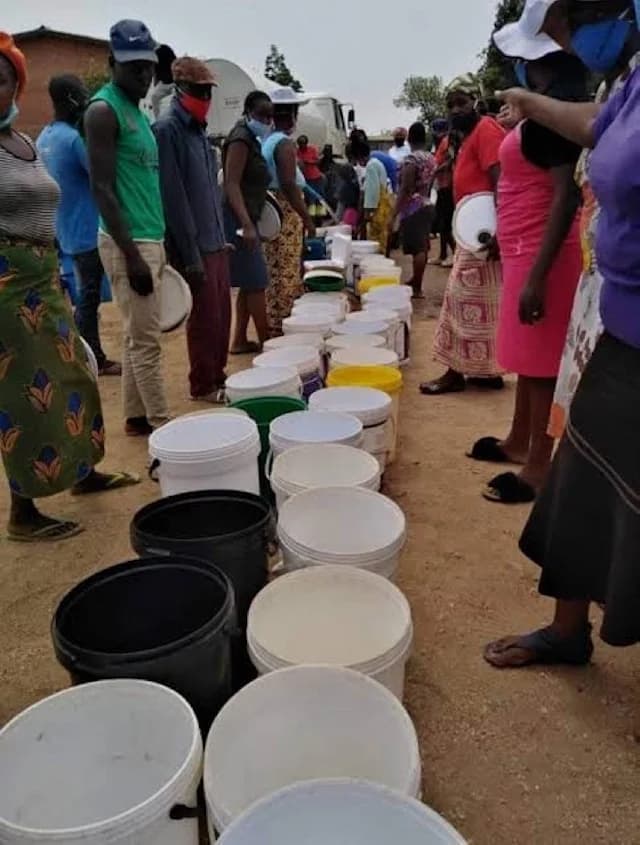
The Municipal Chief Executive (MCE) of Kpone-Katamanso, Samuel Tetteh Quarshie Morton, has formally characterized the severe, months-long water shortage in his district as a national security issue. For nearly three months, several communities within the municipality have been deprived of regular pipe-borne water, leading to a mounting crisis that threatens the social and economic stability of the area. Morton's public appeal is directed at Ghana Water Limited (GWL) and national security agencies to prioritize the immediate restoration of this essential utility to prevent further hardship.
The impact of the dry taps has been felt acutely across households, which have been forced to turn to expensive alternative water sources to meet their daily needs. This financial burden, coupled with potential health risks associated with unregulated water vendors, has created significant tension within the municipality. During a recent broadcast, Morton highlighted a perceived disparity in service, noting that while local industries appear to receive some level of supply, residential areas remain largely cut off from the network, exacerbating the frustration of his constituents.
To mitigate the immediate crisis, the MCE has proposed the implementation of a structured water rationing system. He argues that if a permanent technical solution remains out of reach in the short term, residents should at least be granted a predictable schedule of water availability, similar to the arrangements provided to industrial players in the region. Such a rationing program would allow families to plan their activities and reduce their heavy reliance on costly private water tankers, which are currently the only alternative for many.
Beyond immediate relief, Morton is calling for a coordinated intervention involving national security apparatuses to oversee the distribution and ensure that the crisis does not escalate into civil unrest. While efforts for a permanent infrastructure fix are reportedly ongoing, the urgency of the MCE’s plea underscores a growing concern over the vulnerability of Ghana’s municipal infrastructure. The situation in Kpone-Katamanso serves as a critical test for Ghana Water Limited's capacity to manage urban water demand in rapidly expanding metropolitan areas during periods of supply constraints.