••
Moree fishermen demand direct engagement with Ministry over closed season
•2 min read•1 source
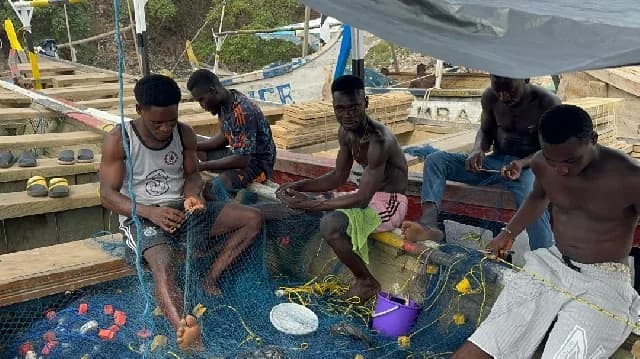
Fishermen in Moree, a prominent coastal community in the Central Region, are calling for direct engagement with the Ministry of Fisheries and Aquaculture Development to address concerns over the effectiveness of the annual closed fishing season. The fishers expressed a growing sense of frustration with current management strategies, which they believe do not adequately consider the practical realities of their livelihoods or the actual state of marine stocks. Their call for a more participatory approach emphasizes that the success of national conservation policies depends on the cooperation of those who work on the front lines of the industry.
In interviews detailing their grievances, the fishers specifically requested a meeting with the Sector Minister, Emelia Arthur, to facilitate a more transparent exchange of ideas. They argued that the current implementation of the closed season, while intended to replenish fish populations, has not resulted in the expected recovery of the sea's resources. Instead, they described a situation where the moratorium places significant financial strain on fishing households without a clear, long-term benefit to the marine ecosystem. They believe that direct communication with the Ministry is the only way to resolve these discrepancies.
While advocating for policy changes, the Moree fishing community also acknowledged their own role in the depletion of fish stocks through certain local practices. They emphasized that the sustainability of Ghana's waters requires a collective effort that cannot be achieved through government mandates alone. By seeking a seat at the table, the fishermen hope to align their traditional knowledge with the Ministry's technical policies to create a more balanced approach to conservation. They maintain that for any fishing regulation to be successful, it must be both ecologically sound and socially just.
The demand for increased dialogue highlights the ongoing challenges of fisheries management in Ghana, where the balance between ecological preservation and economic survival remains precarious. As the Ministry continues to use the closed season as its primary tool for resource management, the input from communities like Moree will be critical in determining whether these policies can gain the necessary local support to be truly effective. Moving forward, the success of restoring the nation's dwindling marine heritage may depend on the government's willingness to treat fishing communities as active partners rather than passive subjects of regulation.