••
Mfantsipim Old Boys Association proposes GH₵150m management partnership
•2 min read•2 sources
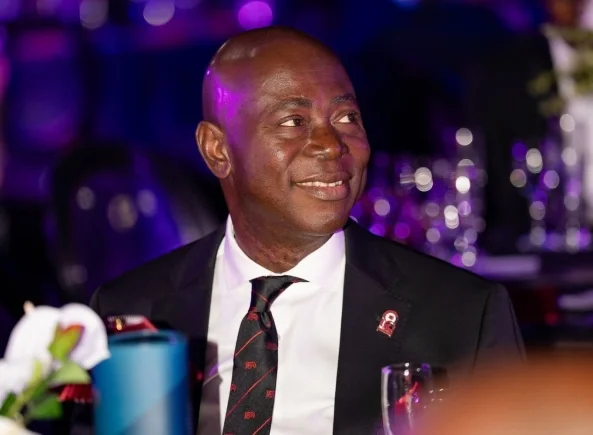
The Mfantsipim Old Boys Association (MOBA) has proposed a restructured management model for Mfantsipim School, backed by a GH₵150 million commitment for infrastructure and a US$10 million endowment fund. Speaking at the school’s 150th anniversary celebration, Ebusuapanyin Moses Kwesi Baiden Jnr called for a new partnership involving the government, the Methodist Church, and the alumni to ensure the institution's long-term sustainability and academic excellence. The theme of the celebration, "A Legacy of Excellence, Leadership and Service to Inspire the Future," served as the backdrop for this call to action.
The proposed governance structure seeks to transition the school into a not-for-profit partnership that balances public access with operational flexibility. Baiden Jnr, representing the class of 1983, suggested a feasibility study to explore how the three stakeholders can share responsibilities effectively. He emphasized that this model would allow the school to maintain its high standards while adapting to the modern educational needs of Ghana, ensuring that the institution remains a leader in cultivating future generations of Ghanaian leaders.
Central to the proposal is the substantial financial investment pledged by MOBA and its partners. The GH₵150 million is earmarked for immediate infrastructure improvements, while the US$10 million endowment fund is intended to provide a permanent financial cushion for the school. These resources are aimed at securing the school’s historical legacy and maintaining its relevance in an evolving academic landscape. This financial backing is presented as a demonstration of the alumni's commitment to sharing the burden of educational development with the state.
By advocating for a stronger involvement in management, MOBA aims to preserve Mfantsipim's historical identity while enhancing its operational capacity. The association's appeal to the government underscores a growing desire among Ghana's elite secondary school alumni to take a more active role in educational administration. This move is seen as a necessary step to safeguard the quality of education and the institutional heritage of one of the nation's most prestigious schools for decades to come.


